PC Hard Drive Upgrade to Boost Your System Speed
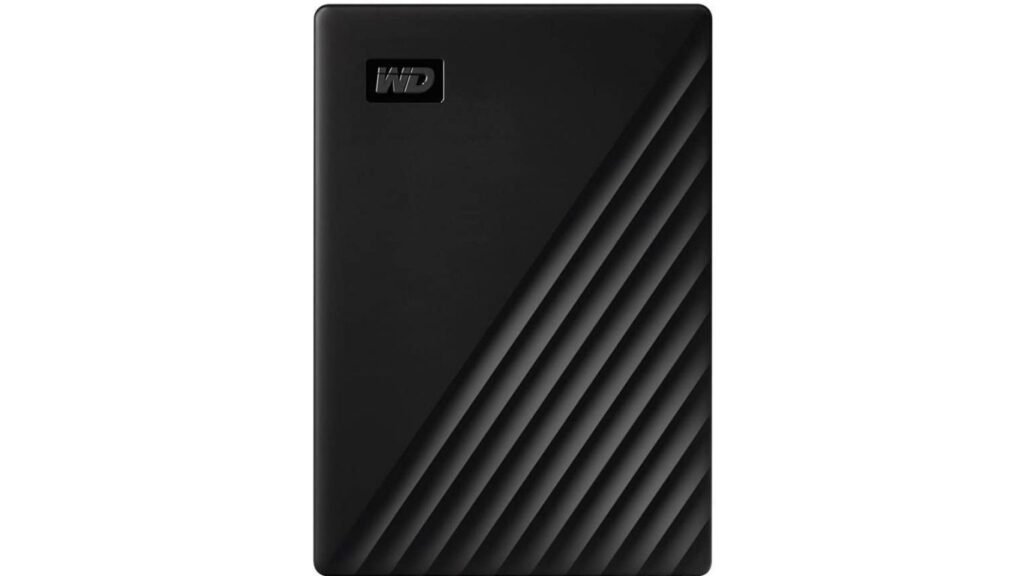
PC Hard Drive Upgrade to Boost Your System Speed
Living in a modern digital era, the pace and sensitivity of your computer may influence your productivity at work, in games, or simply online surfing quite heavily. Your system has become slow or it just takes a long time to get programs opened; upgrading the PC Hard Drive is one of the cheapest and easiest processes that will make your PC jump like spring again. The up-grade is often ignored by many users because they might not realize that what they want is improved performance of the hard drive instead of getting a new system.
The newer generation PC Hard Drive is more efficient, has big storage capacity, and a high speed of read/write compared to the old one. It can significantly speed up a boot, make files and even make files open faster, and remove the delightful lagging effect, regardless of whether you are replacing an aging drive or just adding it to a big collection. It is not nothing to do with more space, it is turning the experience of using your whole system into your hands.
Know When It’s Time for an Upgrade
It is easy to tell when your existing hard disc is not working to your advantage. Whenever you come across crash, screen freeze or some weird sounds on your desktop or laptop, they are all red signals. Similarly in the event that you are straining in space and undergo the practice of removing files to have space to accommodate new ones then you should seriously think of upgrading. The spinning disk drives (HDDs) of many older machines are slower than the new solid-state drives (SSDs). The change of PC Hard Drive, particularly SSD may result in visible improvements as soon as the new device is installed.
It does not even matter whether your system is not failing yet since upgrading the hard drive can help your computer get ready to the future. Software and the operating systems have been getting more demanding, and this necessitated the need to have a stronger and faster PC Hard Drive that can easily accommodate updates and new applications.
Types of PC Hard Drives to Consider
You have to know your options when choosing a new PC Hard Drive. The classic HDDs are cheaper and have larger capacities which make them ideal for storing large files, backup, and media libraries. Conversely, SSDs have a quicker boot and load time, thus they are perfect in cases where speed and performance matters.
And there is a hybrid type, also called SSHD (solid-state hybrid drive) because it is like a hybrid of both previous types, providing the space of the HDD with the performance improvements of SSD technology. Each of these types has potential use in your circumstances: it depends on your needs, price, and the way you use your computer. The solution that is preferred by many is a two-drive approach, i.e., SSD as a drive where the operating system and heavily used programs are installed, and HDD as everything other than that.
Installation and Compatibility Tips
Replacing a PC Hard Disk may be easier than some would think. This is most of the time done on a desktop model where the case is opened, the older drive removed and the new one inserted using some screws and a cable or two. Laptops are slightly smaller though most laptop drives are “swappable” through drive bays. When purchasing any, it is always advisable that you should check on compatibility in size (2.5-inch or 3.5-inch), connection type (SATA or NVMe), and compatibility with the system.
Once it is installed, you will want to reinstall your operating system or clone your old drive to the new one in case you do not want to lose your existing stored data and settings. PC Hard Drive Several disk cloning aids exist and they come in the form of free and paid packages which should ease the process. Most computer stores in town can do it in a short period and at a low cost, especially when you find it unpleasant to do it yourself.
Final Thoughts
The PC Hard Drive upgrading is not only a good idea should you want to increase the speed with which the system responds and also enhance its performance but also it is a sure way of enhancing the duration in life which the computer will serve you. It is a comparatively minor investment and major payback, in particular in case you are using a veteran device whose operating life is yet far into the future. A quicker system will translate to shorter waiting time, higher output and easier computing experience in general.