Class 1 Science Book: Building Curiosity and Understanding
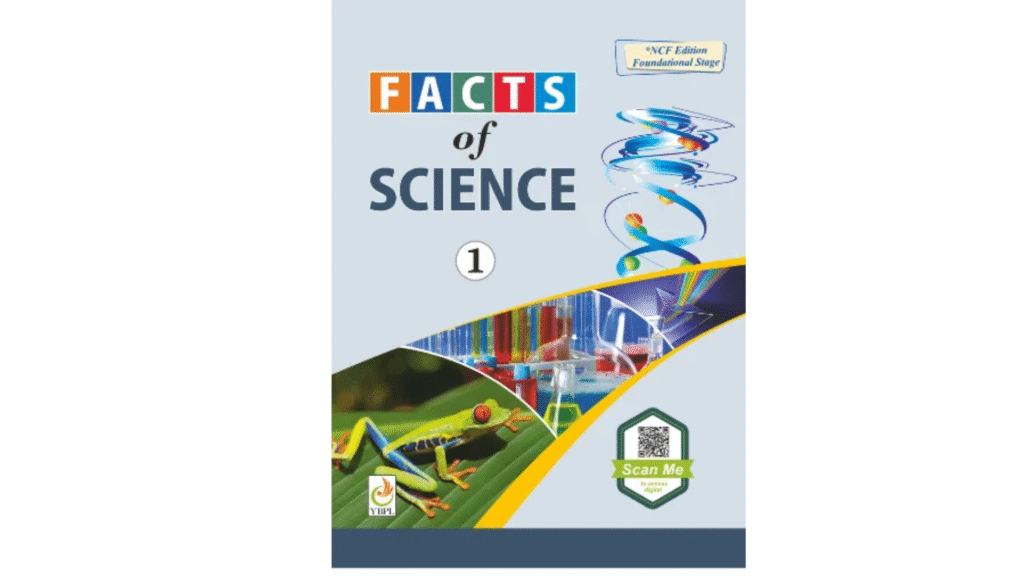
Class 1 Science Book
Summary
A Class 1 Science Book introduces young learners to the exciting world of science through engaging stories, colorful illustrations, and simple explanations. This book lays the foundation for curiosity, critical thinking, and a love for exploration. It encourages children to observe, ask questions, and develop a strong understanding of basic scientific concepts.
Importance of a Class 1 Science Book
Early exposure to science helps children understand the world around them. A Class 1 Science Book presents concepts like plants, animals, weather, the human body, and the environment in a simple and relatable way. By making science fun and approachable, the book nurtures curiosity and encourages children to explore their surroundings.
Using a Class 1 Science Book, students learn to observe patterns, ask questions, and connect everyday experiences to scientific principles. This early learning builds critical thinking skills and prepares children for more advanced science topics in higher classes.
Key Features of a Class 1 Science Book
A well-designed Class 1 Science Book uses colorful illustrations and diagrams to explain complex concepts in an easy-to-understand manner. The lessons are short and engaging, with interactive activities that help children apply what they learn. Stories, experiments, and questions are integrated into the book to make learning enjoyable.
The book introduces children to basic scientific vocabulary and encourages hands-on learning. Through guided exploration, students develop observation skills and learn to think logically, laying the groundwork for a strong scientific foundation.
Learning Outcomes
By using a Class 1 Science Book, children can recognize and understand basic concepts about living and non-living things, natural phenomena, and the environment. The book helps develop curiosity, observation, and problem-solving skills. Children also learn to classify objects, understand cause-and-effect relationships, and develop an appreciation for the natural world.
The book encourages experimentation and asking questions, which fosters analytical thinking and creativity. These foundational skills are crucial for academic success and for developing a lifelong interest in science.
Teaching Methodology
The Class 1 Science Book employs storytelling, visual learning, and interactive exercises to engage students. Teachers can complement the book with simple experiments and outdoor observations, allowing children to connect theory with real-life experiences.
By gradually introducing new concepts and reinforcing them through questions and activities, the book ensures that children understand and retain scientific knowledge. This hands-on and exploratory approach keeps young learners motivated and curious.
Promoting Curiosity and Exploration
A Class 1 Science Book encourages children to explore their surroundings, ask questions, and investigate answers. Activities like observing plants, animals, weather, and everyday objects foster curiosity and help children develop critical thinking. The book turns learning into an adventure, making science both fun and meaningful.
Safety and Guidance
Even at an early age, children need guidance when performing experiments or observing nature. A Class 1 Science Book provides safe and age-appropriate activities that teachers and parents can supervise. This ensures that children learn scientific concepts while staying safe and confident during hands-on activities.
FAQs
What age group is suitable for a Class 1 Science Book?
It is designed for children aged 5–7 years, offering age-appropriate explanations and activities.
Does the book include experiments?
Yes, simple, safe experiments are included to help children understand basic scientific principles.
Can parents help children use this book?
Yes, parental guidance enhances understanding and encourages curiosity through shared exploration.
Is the book visually engaging?
Yes, it contains colorful illustrations and diagrams to make learning enjoyable and easy to understand.
Does it teach critical thinking?
Absolutely. Activities and questions promote observation, reasoning, and problem-solving skills.
Can it be used in classrooms?
Yes, it is ideal for classroom use, allowing teachers to introduce science concepts effectively.
Why is a Class 1 Science Book important?
It develops curiosity, observation skills, and foundational scientific knowledge, preparing children for future learning.
Conclusion
A Class 1 Science Book is an essential resource for building curiosity, observation skills, and a love for learning. Through engaging illustrations, stories, and hands-on activities, children develop a strong foundation in science. Early exposure to scientific concepts nurtures critical thinking, problem-solving abilities, and an appreciation for the natural world. Thoughtfully designed, a Class 1 Science Book helps children explore, question, and understand their environment while making learning enjoyable and meaningful.