IIA India Delhi Branch Conference 2026 Highlights the Next Generation of Internal Audit
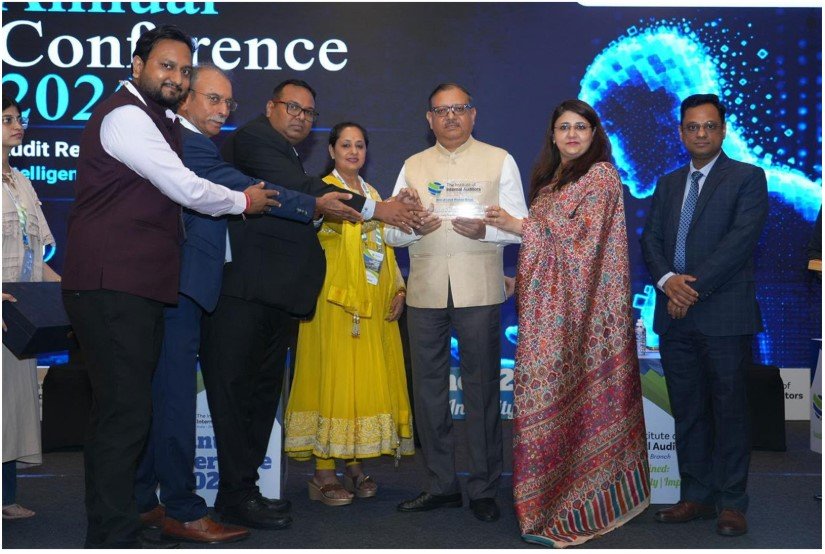
Audit Reimagined
The role of internal audit is evolving rapidly as organizations face increasing complexity in today’s business environment. Technological disruption, cyber risks, regulatory requirements, environmental responsibilities, and stakeholder expectations are reshaping how businesses operate and manage risk. To address these challenges and prepare professionals for the future, the IIA India Delhi Branch organized its Annual Conference 2026, bringing together leading experts and practitioners from across the country.
Held on 19–20 June 2026 at Holiday Inn, Aerocity, New Delhi, the conference became a significant platform for discussions around governance, intelligence, innovation, ethics, and risk management. The event attracted internal auditors, board members, compliance professionals, risk experts, finance leaders, and technology specialists who shared insights into the future of the profession.
Strengthening the Future of Internal Auditing
The Annual Conference organized by the IIA India Delhi Branch reflected the growing importance of internal auditors as strategic advisors rather than traditional compliance reviewers. Modern organizations expect audit professionals to provide insights that support business objectives, strengthen governance structures, and improve decision-making.
The conference focused on preparing professionals for emerging challenges while helping them understand the opportunities created by digital transformation and technological innovation.
Key Theme: Audit Reimagined
The central theme of the conference was “Audit Reimagined: Intelligence, Integrity & Impact.”
This theme represented the changing responsibilities of internal auditors and highlighted the need to embrace innovation while maintaining professional ethics and organizational trust.
Intelligence
Modern audit functions increasingly depend on technology-driven insights. Speakers discussed how artificial intelligence, automation, machine learning, and advanced analytics are transforming audit methodologies.
Topics included:
- AI-powered auditing
- Data-driven risk assessment
- Continuous monitoring systems
- Intelligent automation
- Predictive analytics
These innovations are helping auditors improve efficiency while delivering more valuable business insights.
Integrity
Integrity remains at the core of internal auditing. Organizations rely on auditors to provide objective evaluations and ensure transparency throughout business operations.
Conference sessions emphasized:
- Ethical leadership
- Corporate governance
- Accountability frameworks
- Compliance management
- Professional independence
- Stakeholder trust
Strong integrity helps organizations build credibility and maintain long-term sustainability.
Impact
Internal auditors are increasingly expected to contribute measurable value to their organizations. Discussions focused on how audit teams can drive improvements in governance, risk management, operational performance, and strategic planning.
Creating meaningful impact has become one of the most important objectives of modern audit functions.
Technology and Digital Transformation
One of the major discussion areas at the IIA India Delhi Branch conference was the growing influence of technology on auditing practices.
Artificial Intelligence in Audit
AI technologies are helping auditors process large datasets, identify anomalies, and detect risks more effectively than traditional methods.
Data Analytics
Advanced analytics tools provide deeper visibility into operational processes and enable auditors to make evidence-based recommendations.
Automation
Automation reduces repetitive manual work and allows audit professionals to focus on strategic analysis and decision support.
Cybersecurity Oversight
With cyber threats becoming more sophisticated, internal auditors play an essential role in assessing information security controls and evaluating organizational preparedness.
These topics highlighted how digital innovation is transforming the profession.
Governance and Organizational Resilience
Governance remains one of the most important pillars of organizational success. Throughout the conference, industry experts emphasized the connection between governance excellence and business sustainability.
The IIA India Delhi Branch conference explored how organizations can strengthen governance through:
- Effective board oversight
- Risk-based decision-making
- Transparent reporting
- Ethical leadership
- Compliance frameworks
- Accountability mechanisms
Strong governance helps organizations navigate uncertainty while maintaining stakeholder confidence.
Emerging Risks and Risk Management
Organizations today face a diverse range of risks that require proactive management.
Conference discussions addressed:
- Enterprise risk management
- Cybersecurity risks
- Regulatory changes
- Fraud prevention
- ESG-related risks
- Supply chain disruptions
- Business continuity planning
Experts shared practical approaches for identifying, assessing, and mitigating these evolving risks.
Professional Learning and Networking Opportunities
A major strength of the conference was its focus on professional development.
Participants benefited from:
- Keynote addresses by industry leaders
- Expert panel discussions
- Knowledge-sharing sessions
- Practical case studies
- Networking opportunities
- Exposure to global audit trends
The conference provided valuable insights that professionals can apply directly within their organizations.
The Leadership Role of IIA India Delhi Branch
The IIA India Delhi Branch continues to play an important role in promoting excellence within the internal audit profession. Through conferences, educational programs, certifications, workshops, and professional networking initiatives, the branch supports continuous learning and skill development.
Its efforts help professionals stay aligned with international standards while preparing for future industry challenges.
Conclusion
The IIA India Delhi Branch Annual Conference 2026 successfully showcased the future direction of internal auditing in an increasingly digital and risk-driven world. Through discussions on artificial intelligence, governance, cybersecurity, compliance, ethics, and strategic risk management, the event provided valuable insights for professionals seeking to strengthen their impact.
As organizations continue to adapt to technological advancements and changing business expectations, internal auditors will play an even greater role in supporting governance, building trust, and driving organizational success. The conference reinforced the importance of innovation, integrity, and continuous learning in shaping the next generation of audit professionals.