Snap Button Attaching Machine: Fast and Accurate Button Fixing for Garment Production
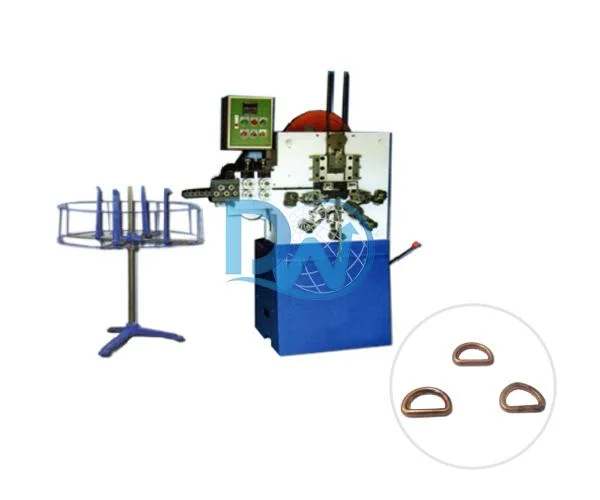
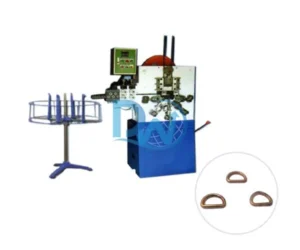
Snap button machine price India
Snap buttons are widely used in shirts, jackets, jeans, children’s clothing, bags, uniforms, leather products, footwear, and fashion accessories. These buttons must be attached securely and accurately so that they can withstand regular opening, closing, washing, and handling. A Snap Button Attaching Machine helps manufacturers install snap fasteners quickly, consistently, and with less manual effort.
The machine applies controlled pressure to join the different parts of a snap button to fabric or another suitable material. It can improve production speed, reduce attachment errors, and provide a cleaner finish than basic hand tools. For garment factories, tailoring units, bag manufacturers, and accessory producers, the right button-attaching machine can support better quality and efficient bulk production.
What Is a Snap Button Attaching Machine?
A Snap Button Attaching Machine is specialised equipment used to fix snap fasteners onto garments and other products. Snap buttons usually include separate male and female components that lock together when pressed.
The machine holds the button components in matching dies and applies pressure to secure them to the material. Correct alignment is important because uneven pressure or improper positioning may damage the fabric or result in a loose button.
Different machines are available for metal snaps, plastic snaps, ring snaps, spring snaps, press studs, baby snaps, and decorative fasteners. The selected machine and die set should match the exact size and design of the button.
Types of Snap Button Attaching Machines
Manual machines are operated using a hand lever. They are suitable for small tailoring units, boutiques, repair shops, sampling departments, and businesses with limited production requirements.
These machines are generally simple to operate and do not require electricity or compressed air. However, the operator must apply the pressure manually.
Foot-operated machines allow the worker to control the machine using a pedal. This keeps both hands free to position the garment and button components. They can be useful for medium-level production.
Pneumatic machines use compressed air to apply pressure. They offer faster operation, consistent force, and reduced physical effort. These machines are commonly used in garment factories and industrial production units.
Automatic Snap Button Attaching Machine models may include button-feeding systems, sensors, safety guards, counters, and programmable controls. They are designed for high-volume production where speed and uniformity are important.
How the Machine Works
The working process begins with the selection of a compatible die set. The upper and lower dies are installed according to the type and size of the snap button.
The operator places one component of the snap in the lower die and positions the garment or material correctly. The matching component is then placed on the opposite side.
When the lever, pedal, or control switch is activated, the machine applies pressure and locks the components together. The finished attachment should remain straight, secure, and free from fabric damage.
Automatic machines may feed the snap components directly into the dies, reducing the need for manual placement and increasing production speed.
Applications in the Garment Industry
Snap-button machines are commonly used in denim jackets, jeans, shirts, coats, rainwear, sportswear, workwear, uniforms, and children’s clothing.
Baby garments frequently use plastic or metal snap fasteners because they are easy to open and close. Precise attachment is especially important in such products to reduce the risk of loose components.
Fashion designers also use snap buttons as decorative features. Coloured, engraved, antique, and logo-based snaps can enhance the appearance of jackets, handbags, and accessories.
A Snap Button Attaching Machine can also be used for attaching press studs to aprons, medical garments, industrial uniforms, and protective clothing.
Use in Bags and Leather Products
Snap fasteners are widely installed on handbags, wallets, purses, belts, folders, footwear, and leather accessories. They provide a convenient closing system while maintaining a neat appearance.
Leather and thick synthetic materials may require greater pressure than lightweight fabric. The machine should therefore have sufficient capacity and the correct dies for the selected material.
Before bulk production, testing should be carried out on a sample piece. This helps determine whether the machine pressure, button size, and material thickness are properly matched.
Benefits of Using a Snap Button Machine
The main benefit of the machine is faster button installation. Compared with attaching snaps using basic tools, a dedicated machine can improve output and reduce production time.
Controlled pressure helps maintain consistency across a large batch. Every button can be attached at a similar depth and position, improving the overall finish of the garment.
The machine also reduces operator fatigue, particularly when pneumatic or automatic models are used. Workers do not need to apply the same amount of physical force repeatedly.
Proper attachment can reduce loose buttons, damaged fabric, tilted snaps, and rejected products. This helps manufacturers control material waste and maintain production quality.
Choosing the Right Machine
The machine should be selected according to production volume, button type, material thickness, workspace, and budget.
A manual model may be enough for occasional use or small quantities. Medium and large production units may benefit from pneumatic or automatic machines.
Buyers should also check the availability of compatible dies, spare parts, operating support, safety features, and maintenance services.
The machine’s pressure should be adjustable where possible. Different materials and snap designs may require different levels of force.
Importance of Correct Dies
The die set is one of the most important parts of a Snap Button Attaching Machine. Each button design and size may require a specific upper and lower die.
Using the wrong die can scratch the button, deform its shape, damage the fabric, or create a weak attachment. Dies should be fitted correctly and kept clean.
Manufacturers using multiple snap sizes should organise and label their die sets properly. A sample test should be completed whenever the button type, fabric, or die is changed.
Maintenance and Safety
Regular cleaning helps keep the machine operating smoothly. Dust, fabric fibres, oil, and metal particles should be removed from the working area and dies.
Moving parts should be lubricated according to the manufacturer’s instructions. Loose screws, damaged springs, air leaks, and worn dies should be checked regularly.
Operators should keep their fingers away from the pressing area. Machines should include suitable guards or safety controls, especially in high-speed production environments.
Training is important because incorrect handling may damage the machine, button, material, or operator.
Frequently Asked Questions
1. What is a Snap Button Attaching Machine used for?
It is used to attach snap fasteners, press studs, ring snaps, and similar buttons to garments, bags, leather goods, and accessories.
2. Can one machine attach different snap sizes?
Yes, many machines can attach different sizes by changing the upper and lower die sets.
3. Which machine is suitable for a small tailoring unit?
A manual hand-operated machine is generally suitable for small quantities, repairs, and sample production.
4. What is the benefit of a pneumatic machine?
A pneumatic machine provides faster operation, consistent pressure, and reduced physical effort during bulk production.
5. Can snap buttons be attached to leather?
Yes, suitable machines and dies can attach snaps to leather, synthetic leather, canvas, and other thick materials.
6. Why do snap buttons become loose?
Loose attachment may result from insufficient pressure, incorrect dies, unsuitable button size, weak material, or improper alignment.
7. Is sample testing necessary before production?
Yes, sample testing helps confirm the correct die, pressure, alignment, and button suitability before bulk attachment.
Conclusion
A Snap Button Attaching Machine is valuable equipment for businesses that require fast, accurate, and consistent snap-fastener installation. It can be used across garment manufacturing, tailoring, bag production, leather goods, uniforms, footwear, and fashion accessories.