Automatic Snap Button Machine for Efficient Garment Fastening
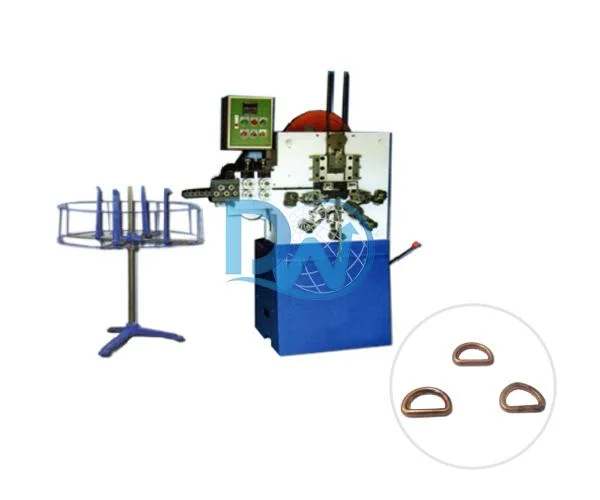
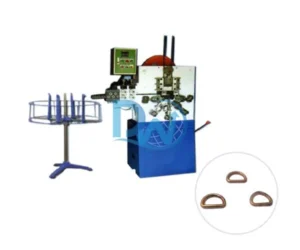
Snap button machine price India
An automatic snap button machine is designed to attach snap fasteners quickly, accurately, and consistently to garments and other manufactured products. It is widely used in garment factories, denim units, babywear production, leather workshops, bag manufacturing, footwear units, uniform production, and accessory businesses.
Snap buttons are small fastening components, but their attachment quality directly affects the appearance and usability of the final product. Loose, damaged, tilted, or improperly fixed buttons can lead to rejection, rework, and customer complaints. An automatic machine helps reduce these problems by applying controlled pressure and repeating the fastening process with greater consistency.
Understanding an Automatic Snap Button Machine
An automatic snap button machine combines button feeding and pressing operations in one production system. Depending on the machine model, the snap components may be supplied through automatic feeders and positioned directly under the pressing head.
The operator generally places the garment or material in the correct position and activates the machine through a foot pedal, hand switch, or sensor. The machine then presses the button components together using a suitable die set.
Automatic systems are especially useful for businesses handling regular bulk orders where manual attachment becomes slow and labour-intensive.
Main Components of the Machine
An automatic snap button machine usually includes several important components.
Button Feeder
The feeder arranges and supplies snap button components to the pressing area. A smooth feeding system helps reduce manual handling and increases production speed.
Pressing Head
The pressing head applies controlled force to join the button components securely.
Die Set
The die set holds and shapes the button during pressing. Different button designs and sizes require compatible dies.
Control System
The control system may allow the operator to adjust pressure, speed, timing, and feeding settings.
Safety Guard
Safety guards and sensors help reduce the risk of hand injuries during repeated production.
Foot Pedal or Sensor
The operator may activate the machine using a pedal or automatic sensor after positioning the fabric.
Benefits of Using an Automatic Snap Button Machine
Faster Output
Automatic feeding and pressing reduce the time required to attach each button. This helps garment factories complete large orders more efficiently.
Uniform Fastening
The machine applies controlled and repeatable pressure. This helps maintain similar fastening strength across all garments.
Reduced Operator Fatigue
Manual snap button attachment requires continuous hand movement and physical pressure. Automatic operation reduces effort and makes repetitive production easier.
Improved Product Quality
Correct dies and pressure settings help prevent button scratches, broken caps, uneven alignment, and loose fastening.
Lower Production Waste
Improperly fitted buttons can damage garments and increase rejection. Consistent machine operation can reduce rework and material loss.
Better Workforce Utilisation
One trained operator can manage higher production volumes, allowing other workers to focus on stitching, finishing, inspection, and packaging.
Industries Using Automatic Snap Button Machines
These machines are used in several manufacturing sectors.
Garment Manufacturing
They are commonly used for shirts, jackets, jeans, trousers, uniforms, sportswear, rainwear, and casual clothing.
Babywear Production
Baby garments often use plastic or metal snap buttons because they are easy to open and close. Accurate pressure control is important to avoid damaging soft fabric.
Denim Industry
Denim products require strong fastening because the material is thicker. Suitable machines can attach heavy-duty snap buttons to jeans and denim jackets.
Leather Goods
Leather bags, wallets, belts, pouches, and accessories often use snap fasteners. A machine with correct pressure and dies helps avoid surface marks and material damage.
Footwear Manufacturing
Snap buttons may be used in sandals, shoes, boots, and decorative footwear components.
Bags and Accessories
Handbags, backpacks, caps, pouches, and fashion accessories frequently use metal or plastic snaps.
Types of Snap Buttons Supported
The machine may support different fastener types depending on its design and die compatibility.
Common snap button categories include:
- Metal snap buttons
- Plastic snap buttons
- Ring snaps
- Spring snaps
- Press studs
- Prong snaps
- Decorative snaps
- Heavy-duty fasteners
- Babywear snaps
Before purchasing a machine, buyers should confirm the exact button type, diameter, material, and component structure.
Automatic, Semi-Automatic, and Manual Machines
Manual Machines
Manual machines are operated by hand and are suitable for small production units, tailoring shops, repair work, and sample development.
Semi-Automatic Machines
Semi-automatic machines automate the pressing operation but may still require the operator to load button components manually.
Automatic Machines
Automatic machines generally include feeding and pressing systems. They are suitable for factories handling medium- to high-volume production.
The correct machine should be selected according to daily output, available budget, labour cost, product variety, and factory space.
Factors to Consider Before Buying
Production Requirement
Buyers should estimate the number of buttons required per day or hour. A high-speed machine is useful only when the workload justifies the investment.
Button Compatibility
The machine must support the required button design and size. Die availability should also be confirmed.
Fabric Thickness
Thin cotton, babywear fabric, denim, canvas, and leather require different pressure settings.
Feeding Accuracy
The feeder should supply button components correctly without frequent jams or misalignment.
Pressure Adjustment
Adjustable pressure helps the operator work with different materials and button types.
Safety Features
Hand guards, sensors, emergency stops, and protected pressing zones are important for safe operation.
Power Requirement
Some machines operate electrically, while pneumatic models require an air compressor.
Service and Spare Parts
Buyers should check technician availability, warranty, die supply, spare parts, and maintenance support.
Proper Machine Setup
The machine should be placed on a stable and level surface. Electrical and pneumatic connections must follow the manufacturer’s instructions.
Before commercial production, the operator should:
- Install the correct dies
- Adjust button feeders
- Set suitable pressure
- Test on waste fabric
- Check button alignment
- Inspect fastening strength
- Confirm safety controls
Trial production helps prevent damage to finished garments.
Operator Training
Even an automatic machine requires a trained operator. The worker should understand fabric positioning, machine activation, feeder adjustment, die replacement, pressure control, and basic troubleshooting.
The operator should also know how to identify:
- Loose buttons
- Crushed caps
- Incorrect alignment
- Fabric damage
- Feeder jams
- Worn-out dies
Regular quality checks during production help identify problems before a large quantity is affected.
Maintenance of an Automatic Snap Button Machine
Routine maintenance improves machine performance and reduces breakdowns.
Fabric fibres, metal dust, and button fragments should be removed from the feeding and pressing areas. Moving parts should be lubricated according to the manufacturer’s recommendations.
Dies should be inspected for cracks, wear, and alignment problems. Damaged dies may produce weak fastening or spoil the button surface.
Sensors, switches, air pipes, electrical cables, and safety guards should also be checked regularly. Technical repairs should be performed by trained service personnel.
Frequently Asked Questions
What is an automatic snap button machine?
It is a machine that feeds and attaches snap button components to garments, bags, leather goods, footwear, and accessories with limited manual effort.
Is it suitable for bulk garment production?
Yes, automatic machines are mainly used for medium- and large-scale production where high speed and consistent fastening are required.
Can one machine attach different button sizes?
A machine may support multiple sizes, but each button design generally requires a compatible die and feeder arrangement.
Can the machine work on thick materials?
Suitable models can attach snap buttons to denim, canvas, leather, and other thick materials when the correct pressure and dies are used.
Does the machine require an air compressor?
Pneumatic machines require compressed air, while some models operate electrically or mechanically.
How can loose button fitting be prevented?
Correct dies, suitable pressure, proper alignment, and regular testing help ensure secure button attachment.
What should be checked before purchasing?
Buyers should check production speed, button compatibility, safety features, feeder quality, pressure adjustment, power requirements, warranty, and service availability.
Conclusion
An automatic snap button machine can significantly improve fastening speed, production consistency, and operator efficiency. It is a practical solution for garment, leather, footwear, bag, uniform, and accessory manufacturers handling regular production orders.
The best results depend on selecting the correct machine for the button type, fabric thickness, and expected output. Proper installation, trained operation, compatible dies, routine inspection, and regular maintenance help maintain secure fastening quality and reduce production losses.