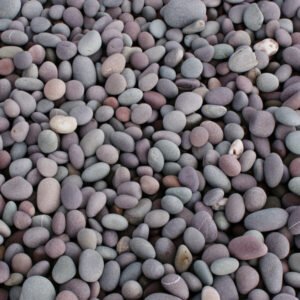
Cobblestone Manufacturer in India: Quality Craftsmanship for Long-Lasting Paving Solutions
limestone manufacturer
Summary
India has emerged as a global leader in cobblestone manufacturing, supplying high-quality natural stone products to countries across the world. With rich geological resources, advanced processing units, and a long tradition of stone craftsmanship, Indian manufacturers deliver cobblestones known for their strength, durability, and timeless aesthetic appeal. Cobblestones have been used for centuries in historic pathways and streets, and today they remain popular for modern landscaping, driveways, commercial spaces, and architectural restoration work. A cobblestone manufacturer in India plays a crucial role in preserving this heritage while offering reliable, long-lasting paving solutions for contemporary needs.
Types of Stones Used in Indian Cobblestone Production
Cobblestones in India are produced from a variety of natural stones, each offering distinct benefits. Granite cobblestones are valued for their exceptional hardness, making them ideal for heavy-traffic areas and driveways. Sandstone cobblestones feature warm, natural shades that bring a rustic charm to gardens and walkways. Basalt or black cobblestones are preferred in modern and minimalist designs due to their uniform dark color and dense structure. Limestone and quartzite cobblestones also contribute to the wide range of choices available, with each stone chosen for its durability, appearance, and suitability for different design requirements. This diversity allows manufacturers to cater to a wide range of architectural styles and project specifications.
Manufacturing Process and Craftsmanship
The cobblestone manufacturing process in India combines traditional skills with modern technology. Hand-cut cobblestones, shaped by skilled craftsmen, retain a natural texture and slightly irregular edges that give them an old-world character. Machine-cut cobblestones, on the other hand, offer precision in size, thickness, and finish, making them suitable for projects requiring uniformity. Manufacturers use advanced tools such as automatic cutters, tumbling machines, and surface-finishing equipment to achieve the desired appearance and performance. Each cobblestone undergoes strict quality checks to ensure uniformity, durability, and accurate calibration. This blend of craftsmanship and technology ensures that Indian cobblestones meet global standards for strength and longevity.
Applications and Benefits of Cobblestones
Cobblestones are used extensively in residential, commercial, and public infrastructure projects. They enhance outdoor spaces such as driveways, garden pathways, patios, courtyards, and pool surroundings. Public areas like plazas, walkways, and streetscapes also benefit from cobblestone paving due to its exceptional load-bearing capacity and slip-resistant surface. Cobblestones offer a unique charm that elevates the aesthetic of any space, blending naturally with both traditional and modern environments. Their longevity is one of their biggest advantages, as they can withstand heavy footfall, vehicle traffic, and extreme weather without cracking or fading. Cobblestones require minimal maintenance and continue to age beautifully over time, making them a sustainable and cost-effective choice for long-term projects.
Why Indian Cobblestones Are in High Demand
Indian cobblestones are preferred globally due to their reliable quality, natural beauty, and competitive pricing. Manufacturers across India prioritize strict quality control, ensuring the stones are accurately cut, well-finished, and securely packaged for domestic and international transport. The country’s vast natural stone reserves allow for large-scale production, making Indian cobblestones readily available for both small-scale landscaping projects and major urban developments. Their eco-friendly nature and long lifespan also appeal to architects and designers looking for sustainable building materials.
FAQ
Q1. Why are Indian cobblestones popular internationally?
Indian cobblestones are known for their durability, natural beauty, competitive pricing, and the skilled craftsmanship involved in their production. These qualities make them a preferred choice for global buyers.
Q2. What types of stones are used to make cobblestones in India?
Cobblestones in India are typically made from granite, sandstone, basalt, limestone, and quartzite. Each stone type offers unique color, texture, and strength characteristics.
Q3. Are cobblestones suitable for driveways and heavy-traffic areas?
Yes. Cobblestones, especially those made from granite and basalt, are extremely strong and can easily handle heavy foot traffic and vehicle movement.
Q4. Do cobblestones require high maintenance?
No. Cobblestones require minimal maintenance. Regular cleaning is usually enough, and the stones naturally maintain their appearance for many years.
Q5. Can cobblestones be used in modern architectural designs?
Absolutely. Cobblestones are versatile and complement both traditional and modern architectural styles, especially when used in pathways, courtyards, and landscape designs.
Conclusion
Cobblestone manufacturers in India continue to set high standards in the natural stone industry by combining traditional craftsmanship with advanced stone-processing technologies. With access to some of the world’s finest natural stone quarries, India delivers cobblestones that are durable, visually appealing, and adaptable to a wide range of architectural and landscaping applications. Whether used in heritage restoration, modern outdoor design, or heavy-duty industrial spaces, Indian cobblestones offer unmatched strength, longevity, and elegance. The growing global demand for these stones reflects India’s reputation as a trusted and innovative supplier. Choosing cobblestones from India ensures not only superior quality but also timeless beauty that enhances the character and value of any space for generations to come.