Kosher Certification in India: A Practical Guide for Manufacturers and Exporters
kosher certification process in India
Global buyers today expect more than just good products. They look for quality assurance, safety compliance, and internationally accepted certifications. Kosher certification has become one such important requirement. In India, many manufacturers now apply for a Kosher certificate in India to meet export standards and gain buyer confidence.
Kosher Certification supports businesses by helping them comply with kosher laws and present their products as reliable and globally accepted. From food and beverages to pharmaceuticals and ingredients, Kosher certified products continue to gain strong demand across international markets.
What Is a Kosher Certificate
A Kosher certificate confirms that a product follows Jewish dietary laws, also known as Kashrut. These laws clearly define permitted ingredients, approved processing methods, and acceptable handling practices.
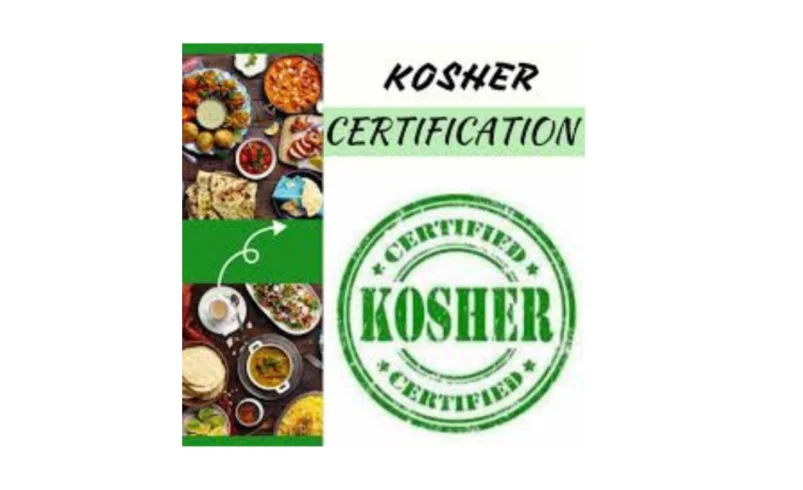
When a recognized certification body inspects and approves a product, it grants Kosher approved status. The manufacturer can then display an authorized kosher symbol on product packaging, which helps buyers identify compliant products instantly.
Why Kosher Certification Matters in India
Indian manufacturers export large volumes of food ingredients, spices, nutraceuticals, and pharmaceutical products. Many overseas buyers require kosher compliance before approving suppliers.
A Kosher certificate in India helps businesses:
- Enter international markets smoothly
- Meet buyer compliance requirements
- Improve brand credibility
- Demonstrate strict quality control
Many importers consider kosher certification a sign of superior hygiene and disciplined manufacturing practices.
What Defines Kosher Certified Products
Kosher certified products meet kosher requirements at every production stage. Certification authorities verify raw materials, equipment usage, processing methods, and storage conditions.
Common categories include:
- Processed food and beverages
- Bakery and dairy items
- Spices, herbs, and seasonings
- Nutraceuticals and dietary supplements
- Pharmaceutical ingredients
- Flavors, stabilizers, and additives
Even products that appear vegetarian or natural still require formal verification to receive kosher approval.
What Kosher Approved Status Means
When a product earns Kosher approved status, it confirms that:
- Authorities verify all ingredients
- Manufacturers follow kosher equipment guidelines
- Inspectors supervise production processes
- Facilities prevent cross-contamination
This approval gives buyers confidence that the product meets internationally respected standards.
Kosher Certification Agencies in India
Several recognized Kosher Certification Agencies in India assist manufacturers throughout the certification process. These agencies conduct audits, inspect facilities, and provide clear guidance on compliance.
A reliable agency ensures:
- Internationally recognized kosher symbols
- Transparent inspection procedures
- Regular monitoring and renewals
- Export-ready documentation
Kosher Certification works closely with manufacturers to simplify certification while maintaining strict compliance.
Kosher Certification Process in India
The certification process begins when a manufacturer submits an application with product details, ingredient lists, and manufacturing flowcharts.
Inspectors then review documents and visit the production facility. They check equipment usage, sanitation practices, and ingredient sourcing. If required, they suggest practical changes to meet kosher standards.
Once the facility meets all requirements, the agency grants kosher approval. Annual inspections and renewals ensure continued compliance.
Why Global Buyers Prefer Kosher Certified Products
Buyers across the USA, Europe, and the Middle East trust kosher certification because it enforces strict supervision and documentation.
Kosher certified products often:
- Qualify faster for export approvals
- Face fewer compliance objections
- Gain preference from multinational buyers
- Improve brand reputation in competitive markets
This trust makes kosher certification a valuable commercial advantage.
Industries That Commonly Require Kosher Certification
Many industries apply for kosher certification to strengthen export readiness, including:
- Food processing units
- Ingredient manufacturers
- Beverage producers
- Pharmaceutical companies
- Nutraceutical brands
- Export-focused manufacturing businesses
As global demand grows, kosher certification continues to expand across sectors.
Frequently Asked Questions
1. What purpose does a Kosher certificate serve
A kosher certificate proves that a product complies with kosher dietary laws and global quality expectations.
2. Do Indian laws require Kosher certification
Indian regulations do not mandate it, but many export buyers demand kosher compliance.
3. How long does Kosher certification take in India
Most certifications complete within a few weeks, depending on product complexity and facility readiness.
4. Who issues Kosher certificates in India
Authorized Kosher Certification Agencies in India issue certificates after inspections and approval.
5. Do vegetarian products automatically qualify as kosher
No. Authorities still verify ingredients, processing methods, and equipment before approval.
6. Does Kosher certification expire
Yes. Most certificates remain valid for one year and require annual renewal.
7. Do international markets accept Kosher certification
Yes. Recognized kosher certificates receive global acceptance.
8. Can small manufacturers apply for Kosher certification
Yes. Businesses of all sizes can apply if they meet kosher requirements.
9. Which products usually need Kosher approval
Food, beverages, ingredients, supplements, and certain pharmaceutical products commonly require approval.
10. Why should exporters choose Kosher Certification
Kosher certification improves export access, builds buyer trust, and strengthens brand credibility.
Conclusion
Kosher certification plays a vital role in global trade. For Indian manufacturers, obtaining a Kosher certificate in India helps unlock international markets and establish long-term buyer trust.
With expert guidance from Kosher Certification, businesses can achieve compliance efficiently and confidently. Whether the goal involves export growth or stronger product positioning, kosher certification offers lasting value.