Kosher Certification Requirements | Types of Kosher Certification | Kosher Certifications
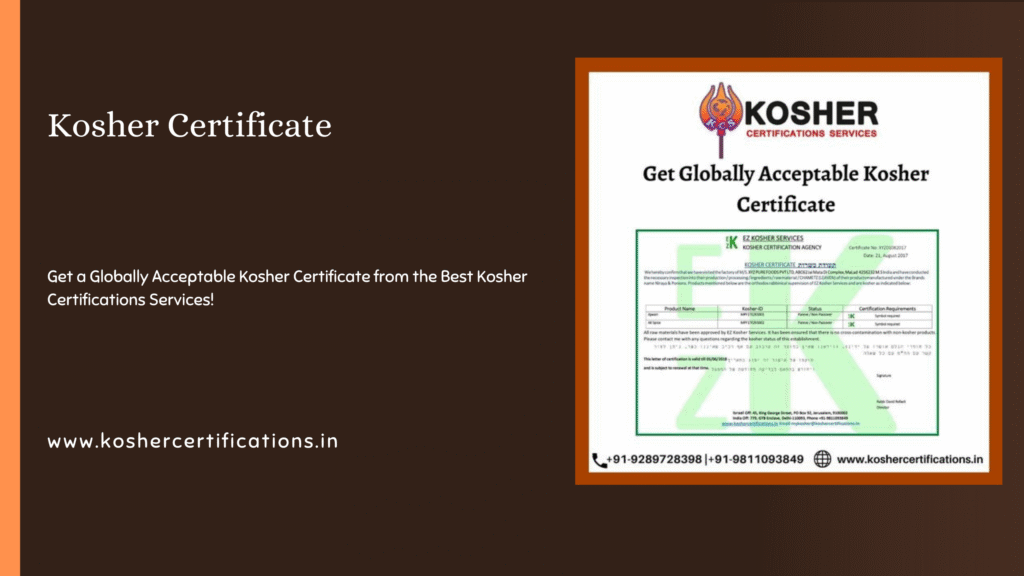
Kosher Certification Requirements
Kosher certification has become an important standard for food manufacturers and exporters who want to access international markets. Understanding the kosher certification requirements helps businesses prepare their production processes according to global compliance standards. Companies that meet these requirements can label their products as kosher, which increases trust among consumers and international buyers. Kosher Certifications provides professional support to help businesses understand and fulfill all necessary certification guidelines.
Many companies often ask why kosher certification required for their products. The reason is simple: kosher certification ensures that products follow Jewish dietary laws and meet strict quality control standards. With guidance from Kosher Certifications, businesses can complete the certification process smoothly while ensuring their products meet all required conditions.
What Are Kosher Certification Requirements?
The kosher certification requirements refer to the rules and standards that manufacturers must follow to obtain kosher approval. These requirements are based on Jewish dietary laws known as Kashrut and apply to ingredients, production processes, and manufacturing equipment.
To receive certification, companies must ensure that their products and production facilities follow these guidelines. Kosher Certifications assists businesses by reviewing their ingredients, verifying suppliers, and checking manufacturing processes to confirm compliance with kosher standards.
Because these standards are strict, companies must carefully follow all kosher certification requirements before they can receive official approval.
Why Kosher Certification Required?
Many manufacturers wonder why kosher certification required when selling products internationally. The answer lies in the growing global demand for certified food products.
There are several reasons why kosher certification is important for businesses:
Access to International Markets
Many global retailers and distributors prefer certified products. Meeting kosher certification requirements allows businesses to export products to markets such as the United States, Europe, and Israel.
Consumer Trust
Consumers often trust products that have recognized certifications. Kosher certification indicates that the product has been inspected and verified.
Higher Product Credibility
When companies understand why kosher certification is required, they realize that certification enhances their brand image and improves product credibility.
Compliance with Religious Standards
Kosher certification ensures that products follow the dietary laws observed by Jewish consumers around the world.
Because of these benefits, many manufacturers choose Kosher Certifications to guide them through the certification process.
Types of Kosher Certification
There are different types of kosher certification depending on the product category and production process. Understanding these categories helps businesses choose the right certification for their products.
Pareve Certification
Pareve products contain no meat or dairy ingredients. Foods such as fruits, vegetables, grains, and certain processed products often fall under this category.
Dairy Certification
Dairy-certified products contain milk or milk-derived ingredients and must follow specific kosher processing standards.
Meat Certification
Meat products must come from animals slaughtered according to kosher laws and processed under strict supervision.
Passover Certification
Some products require special certification for Passover to ensure they do not contain prohibited ingredients during the holiday.
These types of kosher certification help consumers easily identify whether a product meets their dietary requirements.
Important Guidelines for Kosher Certification
To meet the kosher certification requirements, manufacturers must follow several important guidelines.
Ingredient Compliance
All ingredients used in the product must be kosher-approved and verified by the certification authority.
Equipment and Production Process
Manufacturing equipment must be used according to kosher rules, and sometimes equipment may need to be cleaned or dedicated specifically for kosher production.
Separation of Dairy and Meat
Kosher laws require strict separation between dairy and meat products during production and processing.
Inspection and Supervision
Certified inspectors may review production facilities to ensure all kosher certification requirements are followed correctly.
Kosher Certifications helps businesses manage these requirements effectively so they can obtain certification without complications.
Benefits of Meeting Kosher Certification Requirements
Businesses that meet the kosher certification requirements gain several important advantages in the global marketplace.
Expanded Market Opportunities
Kosher-certified products can be sold in international markets where certification is highly valued.
Improved Brand Reputation
Certification demonstrates a company’s commitment to quality and compliance.
Better Export Potential
Many global distributors prefer certified products because they meet strict food safety and religious standards.
Increased Consumer Confidence
Consumers trust products that have undergone inspection and certification by recognized organizations.
These benefits explain why kosher certification required for many businesses that want to compete globally.
Why Choose Kosher Certifications?
Choosing the right certification partner is essential for a successful certification process. Kosher Certifications provides expert guidance and professional services to help businesses meet all necessary standards.
Key advantages include:
-
Expert knowledge of kosher certification requirements
-
Guidance on types of kosher certification
-
Clear explanation of why kosher certification required
-
Professional inspection and documentation support
-
Internationally recognized certification services
With experienced professionals and structured procedures, Kosher Certifications helps businesses obtain certification smoothly and efficiently.
Frequently Asked Questions
1. What are kosher certification requirements?
The kosher certification requirements include verifying ingredients, production methods, and manufacturing facilities to ensure compliance with Jewish dietary laws.
2. Why kosher certification required for businesses?
Understanding why kosher certification required helps businesses realize that certification improves market access, brand credibility, and consumer trust.
3. What are the types of kosher certification?
Common types of kosher certification include Pareve, Dairy, Meat, and Passover certification.
4. Who provides kosher certification services?
Kosher Certifications provides professional certification services and guidance for manufacturers and exporters.
5. Can Indian companies obtain kosher certification?
Yes, businesses in India can obtain certification by meeting the required standards with the help of Kosher Certifications.