Limestone Supplier: Quality Stone Solutions for Construction and Industry
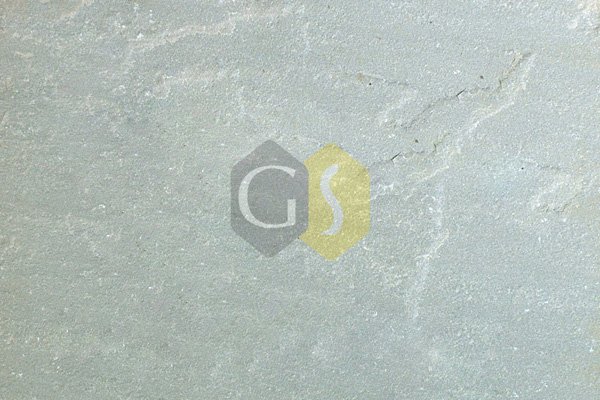
Limestone Supplier
Understanding Limestone and Its Uses
Limestone is a sedimentary rock primarily composed of calcium carbonate. It is durable, naturally aesthetic, and available in a variety of textures and colors. Due to its versatility, limestone is extensively used in construction for flooring, cladding, wall panels, and decorative features. In industrial applications, limestone is processed to produce cement, glass, and even as a neutralizing agent in soil treatment or water purification systems. Its applications in agriculture include soil conditioning and as a calcium supplement for livestock.
Importance of Choosing a Reliable Limestone Supplier
Selecting a dependable stone supplier is crucial for project success. A quality supplier ensures the stone is sourced ethically, processed correctly, and delivered on time. Consistent quality prevents delays, reduces waste, and guarantees that the finished product meets the desired aesthetic and functional standards. Reputable suppliers also offer a range of options, from raw limestone blocks and slabs to crushed limestone for construction or industrial use, catering to diverse project needs.
Key Factors to Consider When Choosing a Limestone Supplier
When choosing a limestone supplier, several factors should be considered. First, the quality of the stone is paramount; high-grade limestone is durable, uniform in texture, and free from cracks or impurities. Second, the supplier’s ability to provide a consistent supply and timely delivery ensures that projects stay on schedule. Third, range and variety matter; a supplier offering multiple types, finishes, and sizes of limestone can accommodate different design and structural requirements. Finally, customer service, transparency, and competitive pricing are essential to build a long-term business relationship.
Applications of Limestone in Different Industries
In construction, limestone is widely used for building facades, flooring, decorative cladding, and landscaping. Its natural beauty, durability, and resistance to weathering make it ideal for both interior and exterior applications. In the industrial sector, limestone is a critical raw material for cement and lime production, glass manufacturing, and as a neutralizer in chemical processes. Agriculture benefits from limestone in the form of agricultural lime, which improves soil quality and enhances crop yield. The versatility of limestone makes it an indispensable material across multiple sectors.
Benefits of Working with a Professional Limestone Supplier
A professional limestone supplier provides several advantages. High-quality material ensures project durability and aesthetic appeal. Expert suppliers often offer advice on the best type of limestone for specific applications, saving time and avoiding costly mistakes. Reliable logistics and timely delivery prevent project delays, while competitive pricing ensures cost-effective procurement. Additionally, suppliers with experience and industry knowledge can assist in handling custom orders, large-scale deliveries, and specialized processing requirements.
FAQs
Q1. What is limestone used for?
A1. Limestone is used in construction, cement production, glass manufacturing, agriculture, and decorative projects.
Q2. How to choose a reliable limestone supplier?
A2. Look for consistent quality, timely delivery, variety of products, competitive pricing, and good customer service.
Q3. Can limestone be used for landscaping?
A3. Yes, limestone is ideal for paving, decorative walls, garden pathways, and outdoor features.
Q4. What types of limestone are available?
A4. Suppliers typically offer raw blocks, slabs, tiles, and crushed limestone for various applications.
Q5. Is limestone eco-friendly?
A5. Yes, limestone is a natural material and can be sustainably sourced, making it environmentally friendly.
Conclusion
A reliable limestone supplier is an essential partner for construction, industrial, and agricultural projects. High-quality limestone enhances durability, aesthetic appeal, and functionality, while a trustworthy supplier ensures consistent supply, timely delivery, and expert guidance. Whether you are sourcing limestone for flooring, decorative cladding, cement production, or landscaping, partnering with a professional supplier guarantees smooth operations, cost-effectiveness, and long-term project success.
Read Blog – Limestone Supplier: Quality Stone Solutions for Construction and Industry