Understanding Society with Social World Class 3
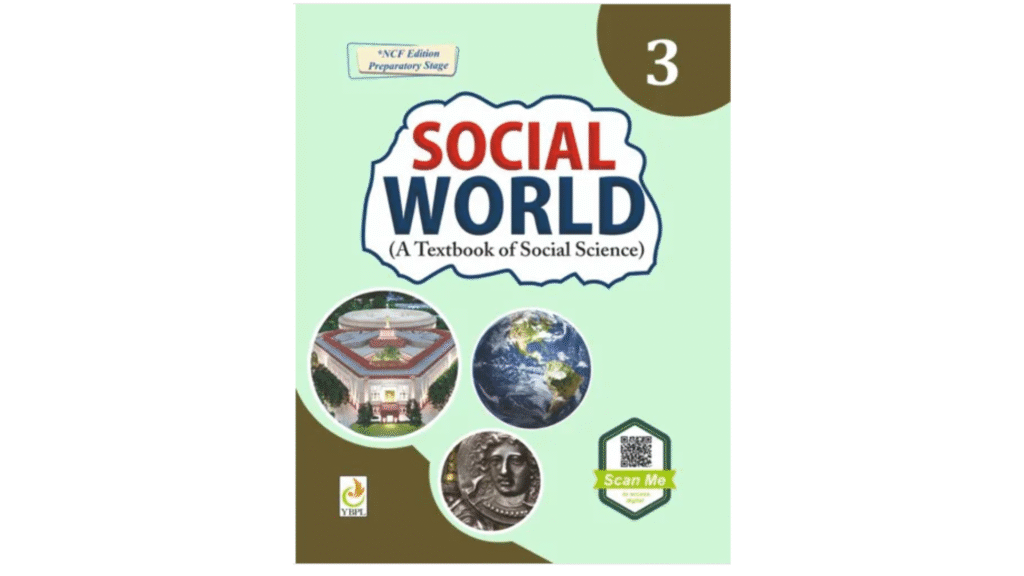
Social World Class 3
Summary
Social awareness is a vital part of a child’s development. Social World Class 3 introduces students to the concepts of community, culture, history, and values engagingly and interactively. The class helps children understand their roles as responsible members of society while developing empathy, cooperation, and respect for diversity. Through stories, discussions, and practical examples, students learn how individual actions contribute to the larger community and how they can make a positive impact on the world around them.
The Purpose of Social World Class 3
The main purpose of Social World Class 3 is to teach children about society, culture, and the importance of ethical behavior. At this stage, students begin exploring concepts like civic responsibility, community roles, and the significance of cooperation. The class encourages curiosity about how societies function and fosters a sense of belonging and accountability in young learners.
Learning About Family and Community
In Social World Class 3, students revisit the concept of family while learning about extended families and neighborhoods. They understand the roles and responsibilities of different community members, such as teachers, doctors, shopkeepers, and local leaders. By studying these roles, students develop respect and appreciation for others while understanding how teamwork and cooperation keep a community thriving.
Exploring History and Culture
Social World Class 3 introduces children to the history and traditions of their country. They learn about important leaders, historical events, and cultural festivals. By understanding the past, students develop a sense of identity and respect for traditions. Learning about various cultures and customs also helps children embrace diversity and develop empathy toward people from different backgrounds.
Understanding Rights and Responsibilities
A key focus of Social World Class 3 is teaching children about their rights and responsibilities. Students learn about the importance of honesty, kindness, and fairness in daily life. They also understand how following rules at home, school, and in the community ensures harmony and safety. This early exposure to ethical behavior helps build responsible citizens who are conscious of their actions.
Environmental Awareness and Sustainability
Environmental education is an important part of Social World Class 3. Students learn about natural resources, pollution, recycling, and conservation. Through hands-on activities such as planting trees, cleaning playgrounds, and learning about renewable resources, children develop a connection with nature. Understanding their impact on the environment encourages them to adopt eco-friendly habits from a young age.
Developing Teamwork and Communication Skills
Teamwork is an essential aspect of Social World Class 3. Students participate in group activities, discussions, and role-playing exercises. These activities help them express ideas, listen to others, and solve problems collaboratively. Such exercises build confidence, enhance communication skills, and promote a sense of unity among peers.
Integrating Social Studies with Everyday Life
Social World Class 3 connects classroom learning to real-life situations. Students explore maps, understand local governance, and discuss community issues. By linking lessons to their daily experiences, children see the relevance of social studies and understand how the world around them functions. This practical approach strengthens critical thinking and problem-solving skills.
Role of Teachers in Social Learning
Teachers play a crucial role in Social World Class 3. They guide students through discussions, storytelling, and interactive exercises. Teachers create a safe and supportive environment where children feel encouraged to ask questions, share opinions, and participate actively. Their mentorship helps students develop empathy, awareness, and responsibility toward their community.
FAQs
Q1: What age group is suitable for Social World Class 3?
It is designed for students around 8–9 years old, helping them learn social values in an age-appropriate manner.
Q2: What topics are covered in Social World Class 3?
The syllabus includes family, community, culture, history, environment, and civic responsibility.
Q3: Are practical activities part of the class?
Yes, activities such as role-playing, group discussions, and environmental projects make learning interactive and meaningful.
Q4: How does this class help children beyond academics?
Social World Class 3 develops empathy, teamwork, leadership, and awareness of social and environmental responsibilities.
Conclusion
In conclusion, Social World Class 3 plays a pivotal role in shaping socially aware and responsible young learners. By teaching children about culture, history, rights, responsibilities, and environmental conservation, the class prepares them to become empathetic, informed, and active members of society. Through interactive lessons, practical activities, and guided mentorship, students in Social World Class 3 not only gain knowledge but also develop essential life skills. Enrolling children in this class helps them understand their role in the community, respect diversity, and contribute positively to the world around them.