Why a 20 kVA Servo Stabilizer Is Built for the Heaviest Single-Phase Loads
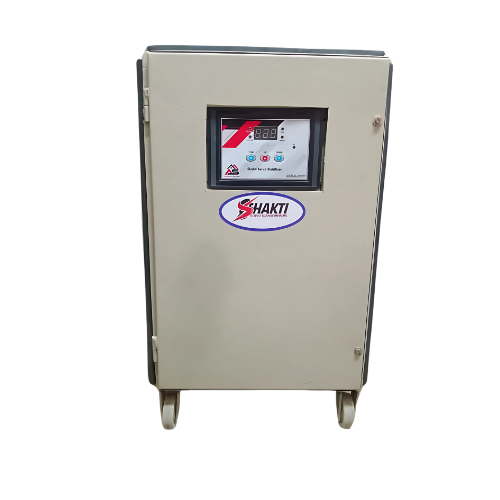
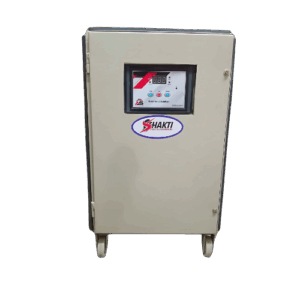
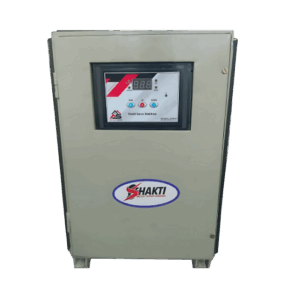
20 kVA single-phase servo stabilizer for the heaviest building loads
Some buildings simply ask more of the electrical supply than others. A large villa with a dozen air conditioners, a busy showroom, a small hotel or a growing workshop can all push a single-phase connection to its limit. When the load gets this heavy, a mid-range stabilizer runs hot, trips on start-up surges and wears out early. For these sites, a 20 Kva Servo Stabilizer gives the capacity and the smooth correction that heavy equipment needs.
What Unstable Voltage Does at High Load
Equipment is designed for a narrow voltage window. When supply sags, motors draw extra current and overheat. When it spikes, electronic boards and insulation take a sudden shock. Constant swings wear everything down faster, and the damage often appears months later as a failure that seems to have no cause.
The heavier your load, the higher the cost. Large compressors, multi-unit cooling systems, commercial refrigeration and industrial motors are expensive to repair and slow to replace. Protecting them from the start is far cheaper than fixing them after the damage is done.
Who Needs a 20 kVA Unit
A 20 Kva Single Phase Stabilizer suits buildings where the combined load is too large for a 10 or 15 kVA unit to carry comfortably. Typical examples include:
- Large independent houses and villas with many air conditioners, pumps and kitchen appliances
- Showrooms, shopping spaces and multi-floor offices
- Hotels, guest houses and banquet halls on single-phase supply
- Hospitals, nursing homes and diagnostic centres
- Schools, colleges and training institutes
- Cold storage, bakeries and commercial kitchens
- Workshops and small factories with several single-phase machines
A unit with real headroom runs cooler, handles start-up surges without tripping and leaves room for equipment you add later.
Heavy Load Does Not Always Mean Three Phase
Many large homes and commercial spaces run entirely on single-phase supply, and converting to three phase can be slow and costly. A 20 Kva Servo Stabilizer Single Phase is built for this situation. It takes a single-phase input, corrects it and delivers a steady single-phase output, so you can protect a very heavy load without rewiring the building.
How Servo Correction Works
A servo stabilizer monitors the output voltage continuously. When it moves away from the target, a control card drives a servo motor that moves a carbon brush along a transformer winding, adding or removing voltage in small steps. The result is smooth, accurate output with no sudden jumps. For large compressors, motors and sensitive electronics, this gradual correction is gentler than the coarse stepping used in relay-type units.
Air-Cooled Construction at High Capacity
The 20kVA Single Phase Air Cooled Servo Stabilizer sheds heat through air circulation instead of oil. This brings practical benefits:
- No oil maintenance. Nothing to check, top up or replace.
- Cleaner installation. No risk of oil leaking onto floors or equipment.
- Simpler servicing. Components are easy to reach for inspection.
At this capacity, ventilation matters a great deal. A larger unit has more heat to remove, so leave generous open space around it, keep the vents clear of dust and avoid hot, closed corners.
kVA and Kilowatts Are Not the Same
Many buyers search for a Servo Stabilizer 20 Kilowatt because their equipment is rated in kilowatts. The two units are related but different. kVA is apparent power, while kW is real power, and the power factor links them. For mixed loads with a typical factor of 0.8, a 20 kVA stabilizer supports roughly 16 kW of real load. If your load is close to 20 kW, you should size up or split the load across two stabilizers, and you should always allow a margin for start-up surges.
How to Size Your Stabilizer
- List every device you plan to connect, with its wattage or horsepower.
- Add motor start-up surges. Count the largest compressor or pump starting while others are already running.
- Add a safety margin of 20 to 25 percent.
- Convert kW to kVA using a power factor of 0.8 if needed.
- Think ahead. Allow for equipment you may add over the next two or three years.
Features Worth Insisting On
- A wide input voltage range that covers the deepest dips in your area
- Tight output regulation
- Overload and short-circuit protection
- High and low voltage cut-off
- A delay timer to protect compressors after power returns
- A bypass switch so work can continue during servicing
- Digital display of input and output voltage
- Quality copper windings and a dependable control card
Installation Tips
Choose a dry, well-ventilated spot close to the main incoming supply, away from direct sun, moisture and dust. Use cables rated for the full load current and make sure every terminal is tight, because loose connections cause heating and voltage drop. Have a qualified electrician complete proper earthing and follow the manufacturer’s wiring diagram. Afterwards, clean the vents regularly, check connections every few months and arrange a yearly technician service for the carbon brush, winding track and control card.
Conclusion
Very heavy single-phase loads deserve a stabilizer that is not already working at its limit. A properly sized 20 kVA servo unit gives smooth correction, comfortable capacity and low maintenance, protecting expensive equipment from the slow damage of unstable voltage. Size it from your real load, choose servo technology and install it with care, and it will protect your building for years.