The Future of Internal Auditing: Insights from a Transformative Industry Conference
Audit Reimagined
In today’s rapidly evolving business environment, organizations face increasing challenges related to governance, cybersecurity, compliance, operational efficiency, and emerging technologies. As a result, the importance of Internal Auditing has expanded significantly beyond traditional financial reviews and compliance checks. Modern internal auditors are now expected to act as strategic advisors who help organizations identify risks, improve governance, and drive long-term value creation.
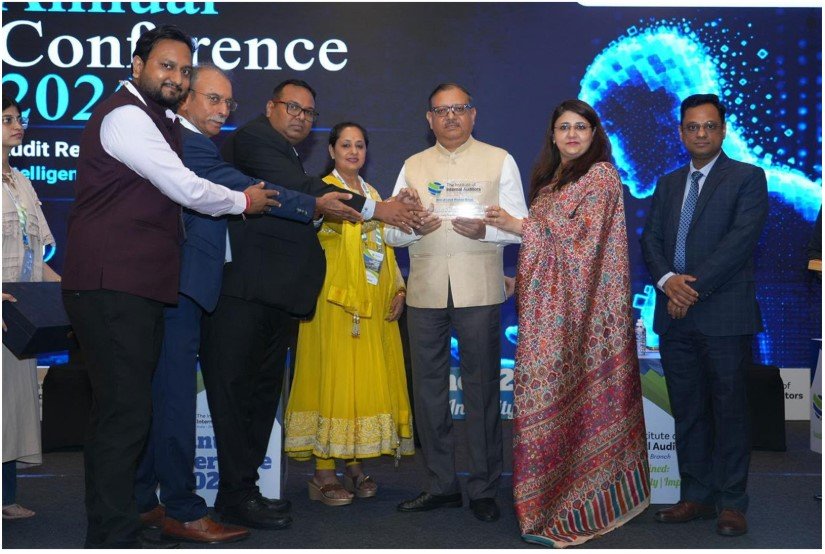
A recent industry conference dedicated to the future of auditing brought together professionals from various sectors, including finance, technology, manufacturing, consulting, healthcare, and public services. The event provided a platform for discussing emerging trends, innovative technologies, and the changing role of internal auditors in modern organizations.
Why Internal Auditing Matters More Than Ever
Organizations today operate in a highly interconnected and technology-driven world. New business risks emerge continuously, requiring organizations to remain vigilant and adaptable.
Internal Auditing plays a critical role by helping organizations:
- Strengthen governance structures
- Improve risk management practices
- Ensure regulatory compliance
- Enhance operational efficiency
- Protect organizational assets
- Support strategic decision-making
- Improve stakeholder confidence
As business complexity increases, internal auditors are becoming key contributors to organizational resilience and sustainability.
The Transformation of Internal Auditing
The conference highlighted how the profession is evolving from a control-based function into a value-driven business partner.
Traditionally, auditors focused on identifying weaknesses and ensuring compliance with policies and regulations. Today, organizations expect auditors to provide forward-looking insights and recommendations that contribute directly to business success.
This transformation requires auditors to develop expertise in areas such as:
- Data analytics
- Artificial intelligence
- Cybersecurity
- Enterprise risk management
- Digital governance
- Sustainability reporting
These skills help audit professionals address modern business challenges more effectively.
Technology Is Reshaping Audit Functions
One of the most discussed topics during the conference was the growing influence of technology on Internal Auditing.
Artificial Intelligence
Artificial intelligence is helping auditors analyze large volumes of data quickly and accurately. AI-powered tools can identify unusual patterns, detect anomalies, and improve risk assessments.
Data Analytics
Advanced analytics allows auditors to examine complete datasets rather than relying solely on sample testing. This leads to deeper insights and better decision-making.
Automation
Automation reduces repetitive tasks and increases audit efficiency, enabling professionals to focus on strategic activities that create greater value.
Cybersecurity Monitoring
As cyber threats become more sophisticated, internal auditors are playing an increasingly important role in evaluating cybersecurity frameworks and digital resilience.
These technologies are transforming the way audits are planned, conducted, and reported.
Governance and Ethical Leadership
Strong governance remains one of the most important foundations of business success. Conference speakers emphasized the role of Internal Auditing in promoting transparency, accountability, and ethical decision-making.
Internal auditors support governance by:
- Evaluating internal controls
- Monitoring compliance programs
- Assessing governance frameworks
- Reviewing risk management processes
- Supporting board oversight responsibilities
Effective governance helps organizations build trust among investors, customers, employees, and regulators.
Managing Emerging Risks
The conference also focused heavily on risk management, recognizing that organizations face a wide variety of challenges in today’s environment.
Key risks discussed included:
- Cybersecurity threats
- Regulatory changes
- Fraud and misconduct
- Economic uncertainty
- Supply chain disruptions
- Technological failures
- ESG-related risks
Internal auditors play a vital role in identifying these risks and helping organizations implement effective mitigation strategies.
Building Future-Ready Audit Teams
As the profession evolves, audit leaders must invest in continuous learning and professional development.
The conference highlighted several areas that will define the future of Internal Auditing:
- Digital literacy
- Strategic thinking
- Leadership capabilities
- Advanced analytics
- Technology awareness
- Communication skills
- Advisory expertise
Organizations that develop these capabilities within their audit teams will be better positioned to address future challenges.
Benefits of Professional Conferences
Industry conferences provide valuable opportunities for learning and collaboration. Participants gain access to expert insights, practical case studies, and emerging best practices that can be applied directly within their organizations.
Benefits include:
- Knowledge sharing
- Professional networking
- Exposure to new technologies
- Regulatory updates
- Leadership development
- Career advancement opportunities
These events help strengthen the profession and encourage innovation across industries.
Conclusion
The future of Internal Auditing is being shaped by technology, evolving risks, governance expectations, and the need for strategic business insights. Modern auditors are no longer limited to compliance-focused responsibilities; they are becoming trusted advisors who contribute to organizational growth, resilience, and long-term success.
As organizations continue to navigate an increasingly complex business environment, the demand for skilled audit professionals will continue to grow. By embracing innovation, maintaining professional integrity, and focusing on value creation, Internal Auditing will remain a cornerstone of effective governance and sustainable business performance for years to come.