Audit Reimagined: Transforming Governance, Intelligence, and Trust for the Future
Audit Reimagined
The business environment has become increasingly complex in recent years. Organizations are facing challenges that range from technological disruption and cybersecurity threats to regulatory changes and evolving stakeholder expectations. In such a dynamic landscape, internal audit functions are being asked to do far more than traditional compliance reviews and financial assessments.
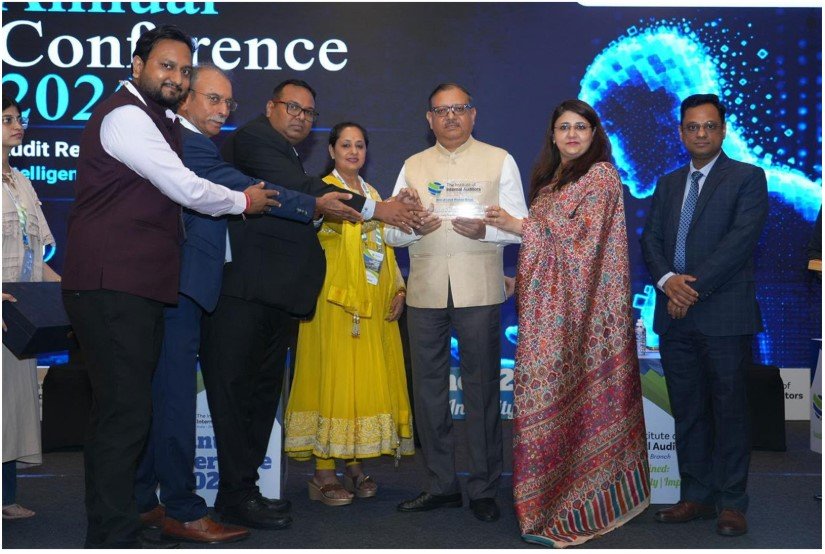
This shift was the central focus of Audit Reimagined, a major industry conference that explored how internal audit professionals can adapt to the changing demands of modern organizations. The event brought together governance experts, auditors, compliance leaders, risk professionals, technology specialists, and senior executives to discuss the future of auditing and the role it plays in building resilient organizations.
Held on 19–20 June 2026 at Holiday Inn, Aerocity, New Delhi, the conference highlighted how intelligence, integrity, and impact are becoming the foundations of next-generation audit functions.
Why Audit Reimagined Matters
The concept of Audit Reimagined reflects a major transformation occurring within the profession. Traditionally, internal auditors focused on reviewing controls, verifying compliance, and identifying process weaknesses. While these responsibilities remain important, organizations now expect auditors to provide deeper business insights and strategic guidance.
Modern internal audit teams are expected to:
- Support organizational growth
- Identify emerging risks
- Evaluate governance structures
- Improve operational efficiency
- Strengthen cybersecurity frameworks
- Enhance stakeholder confidence
- Drive sustainable business performance
This expanded role requires new skills, technologies, and approaches.
Intelligence: Using Technology to Improve Audit Effectiveness
One of the key themes discussed during the conference was the growing importance of intelligence-driven auditing.
Organizations generate vast amounts of data every day. Internal auditors must be capable of transforming this information into meaningful insights that support decision-making and risk management.
Artificial Intelligence
Artificial intelligence is changing the way audits are conducted. AI systems can process large volumes of data quickly, identify unusual patterns, and improve risk assessments.
Data Analytics
Advanced analytics enables auditors to evaluate complete datasets instead of relying solely on sample testing. This improves accuracy and provides better visibility into business operations.
Automation
Audit automation reduces manual effort and allows professionals to focus on high-value activities such as strategic analysis and advisory services.
Continuous Monitoring
Modern monitoring systems provide real-time information that helps organizations detect issues before they become major problems.
Together, these technologies are helping internal audit functions become more proactive and efficient.
Integrity: The Foundation of Organizational Trust
While technology is transforming the profession, integrity remains one of the most important pillars of Audit Reimagined.
Organizations rely on internal auditors to provide objective evaluations and independent assurance. This responsibility requires strong ethical standards and professional conduct.
Conference sessions highlighted the importance of:
- Ethical leadership
- Corporate accountability
- Transparency
- Regulatory compliance
- Professional independence
- Governance excellence
Strong integrity helps organizations build trust among investors, customers, employees, and regulators.
Governance as a Strategic Priority
Governance continues to play a critical role in business success. Effective governance frameworks support responsible decision-making, improve accountability, and strengthen organizational resilience.
Experts at the conference discussed how internal auditors contribute to governance by:
- Evaluating board effectiveness
- Reviewing control environments
- Assessing compliance frameworks
- Monitoring risk management systems
- Supporting ethical business practices
Organizations with strong governance structures are better equipped to navigate uncertainty and maintain long-term stability.
Managing Emerging Business Risks
Risk management was another major focus area of the conference.
Today’s organizations face a wide range of risks, including:
- Cybersecurity threats
- Regulatory changes
- Economic volatility
- Supply chain disruptions
- Fraud and misconduct
- Technological failures
- Reputational risks
The conference emphasized that modern audit functions must adopt a forward-looking approach to identify and address these emerging threats.
By proactively assessing risks, auditors can help organizations avoid disruptions and improve resilience.
Cybersecurity and Digital Risk
As businesses continue to embrace digital transformation, cybersecurity has become a top priority.
Internal auditors are increasingly responsible for evaluating:
- Information security controls
- Data privacy programs
- Cloud computing risks
- Third-party security risks
- Incident response readiness
- Digital governance frameworks
Conference speakers stressed that cybersecurity should be viewed as a business risk rather than simply a technology issue.
This perspective allows organizations to develop stronger protection strategies and improve overall resilience.
Building Future-Ready Audit Professionals
One of the strongest messages from the conference was the need for continuous professional development.
Future audit leaders will need expertise in:
- Artificial Intelligence
- Data Analytics
- Digital Governance
- Enterprise Risk Management
- ESG Reporting
- Strategic Advisory Services
- Cybersecurity Assessment
Organizations that invest in these capabilities will be better prepared to address future challenges and opportunities.
The Business Impact of Audit Reimagined
The modern audit function creates value by supporting strategic objectives and helping organizations achieve sustainable growth.
Benefits include:
- Improved governance
- Enhanced compliance
- Better risk visibility
- Stronger cybersecurity
- Increased operational efficiency
- Greater stakeholder trust
- Improved decision-making
This value-driven approach is transforming how organizations view internal audit.
Conclusion
Audit Reimagined represents the future direction of the internal audit profession. As organizations face increasing complexity and uncertainty, auditors are becoming essential partners in governance, risk management, compliance, and business strategy.
The conference demonstrated how intelligence, integrity, and impact are shaping modern auditing practices. Through discussions on technology, governance, cybersecurity, risk management, and professional development, participants gained valuable insights into the future of the profession.
As businesses continue to evolve, the principles of Audit Reimagined will help organizations strengthen resilience, build trust, and achieve long-term success in an increasingly dynamic world.