Industrial Button Attaching Machine for Better Speed and Garment Quality
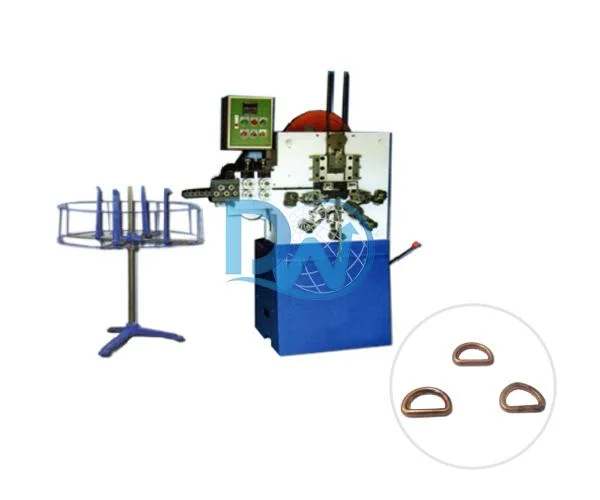
Snap button machine price India
An Industrial Button Attaching Machine is designed to fix buttons and fasteners quickly, securely, and accurately. It helps garment manufacturers reduce manual effort while maintaining consistent finishing across large production batches.
The machine is commonly used in apparel factories, denim units, uniform manufacturing companies, tailoring workshops, bag production units, and leather-product businesses. Depending on its design, it can attach shirt buttons, snap buttons, jeans buttons, rivets, eyelets, press studs, and other garment fasteners.
Why Button Attachment Requires Industrial Equipment
Button attachment is an important part of garment finishing. A poorly attached button may become loose, damage the fabric, or affect the overall appearance of the product.
Manual fixing can work for small quantities, but it becomes slow and inconsistent during bulk production. Different operators may apply different levels of pressure or stitching, creating variation between garments.
An industrial machine uses a controlled cycle for every attachment. This improves alignment, strength, speed, and consistency. Manufacturers can complete more garments within a shorter period while reducing rework.
The equipment also helps maintain production flow. Finished garments can move faster from button attachment to checking, ironing, packaging, and dispatch.
How an Industrial Button Attaching Machine Works
The operating method depends on whether the machine attaches sewn buttons or pressure-based fasteners.
A sewing button machine uses a needle and thread. The operator places the button and fabric under the clamp. The machine then completes a fixed stitch pattern for two-hole, four-hole, or shank buttons.
A press-type machine uses upper and lower dies. The button components and fabric are positioned between the dies. The machine applies controlled pressure and locks both parts together.
Pneumatic machines use compressed air, while electric and automatic models use powered controls. Some advanced machines also include automatic feeding, button counting, thread trimming, programmable settings, and safety sensors.
Correct alignment is essential in every machine type. The button, fabric, and die must remain properly positioned before the cycle begins.
Main Types of Button Attaching Machines
Mechanical Button Press
A mechanical press uses a hand lever, foot pedal, or powered mechanism. It is suitable for buttons, rivets, eyelets, and snap fasteners.
Manual models work well for small workshops and limited production. Powered models provide faster operation for regular garment manufacturing.
Pneumatic Button Attaching Machine
A pneumatic machine uses compressed air to produce uniform pressure. It reduces manual effort and supports faster production.
The adjustable pressure makes it useful for lightweight fabrics, denim, canvas, leather, and multilayer materials. It is commonly used for snap buttons, metal studs, eyelets, and rivets.
Automatic Button Sewing Machine
An automatic sewing model attaches traditional buttons using thread. It can complete a programmed stitching pattern and cut the thread after every cycle.
Some models support automatic button feeding, which reduces handling time. These machines are useful for shirt factories, uniform units, coat manufacturers, and formal garment production.
Jeans Button and Rivet Machine
This heavy-duty machine is developed for denim products. It attaches metal tack buttons and rivets using strong pressure.
Jeans, jackets, trousers, bags, and workwear require reliable fasteners because they experience repeated movement, pulling, and washing.
Snap Fastener Machine
A snap fastener machine joins male and female snap components. Manufacturers use it for jackets, raincoats, sportswear, baby garments, bags, uniforms, and protective clothing.
Each fastener size generally requires a matching die set to achieve proper attachment.
Advantages for Garment Manufacturers
An Industrial Button Attaching Machine increases production output by completing repetitive work quickly. This helps manufacturers handle urgent orders and fixed delivery schedules.
Uniform pressure or stitching improves garment appearance. Buttons remain properly aligned and securely fixed across the entire batch.
The machine also reduces operator fatigue. Workers can complete more attachment cycles without applying repeated manual force.
Accurate attachment helps reduce rejected pieces, loose buttons, broken components, and damaged fabric. Lower rework can save material, labour, and inspection time.
Interchangeable dies and adjustable settings make the machine suitable for different products. Manufacturers can change the die according to the fastener size and garment requirement.
Features to Consider Before Buying
Businesses should first identify the type of button or fastener they regularly use. A machine for sewn shirt buttons may not support metal rivets or snap buttons.
Daily production capacity should match the machine’s speed. Small businesses may choose manual or semi-automatic models, while large factories may require pneumatic or fully automatic systems.
Adjustable pressure is important when working with different fabrics. Excessive pressure may tear delicate material, while low pressure may leave the fastener loose.
Buyers should also examine machine construction, die compatibility, safety guards, control system, spare-part availability, and maintenance requirements.
Local technical support can reduce downtime. Manufacturers should confirm whether installation, operator training, repair service, and replacement parts are available.
Safe Operation and Maintenance
Only trained operators should use the machine. Hands must remain away from the needle, clamp, and pressing area during operation.
The machine should be switched off before changing the needle, die, feeder, or internal component. Air supply must also be disconnected before servicing a pneumatic model.
Operators should clean the equipment regularly. Thread pieces, fabric dust, metal particles, and oil residue can affect machine movement and accuracy.
Needles, dies, clamps, air pipes, pressure regulators, and moving parts should be checked frequently. Damaged components should be replaced before they affect production quality.
A sample test should be completed after every change in fabric, button size, die, thread, or pressure setting.
Frequently Asked Questions
What can an industrial button attaching machine fix?
Depending on the model, it can attach plastic buttons, metal buttons, snap fasteners, jeans buttons, rivets, eyelets, and press studs.
Which machine is suitable for shirt manufacturing?
An automatic or semi-automatic button sewing machine is commonly used for two-hole, four-hole, and shank buttons.
Can the same machine handle different button sizes?
Many machines can support different sizes through interchangeable dies, clamps, or feeders.
Why does fabric tear during button attachment?
Fabric may tear because of excessive pressure, incorrect die selection, sharp components, poor alignment, or unsuitable fastener size.
Is regular servicing necessary?
Yes. Regular servicing helps maintain accurate pressure, smooth operation, attachment strength, and machine life.
Conclusion
An Industrial Button Attaching Machine helps garment manufacturers improve production speed, button strength, alignment, and finishing quality. It is suitable for shirts, jeans, uniforms, jackets, bags, leather goods, and several other products.
Businesses should choose the machine according to their fastener type, fabric thickness, daily output, and automation requirements. Proper dies, trained operators, routine testing, and timely maintenance help ensure reliable performance during continuous industrial production.