Kosher Certification in Delhi: A Complete Guide for Businesses Looking to Expand Globally
Kosher certification
Delhi is one of India’s largest commercial and industrial hubs, home to thousands of food manufacturers, exporters, pharmaceutical companies, hospitality businesses, and packaging industries. As international trade continues to grow, businesses are increasingly required to meet global quality and compliance standards to remain competitive.
One of the most recognized certifications in international markets is Kosher Certification in Delhi. This certification demonstrates that products and manufacturing processes comply with Jewish dietary laws, also known as Kashrut.
For companies looking to expand into export markets such as the United States, Europe, Israel, Canada, and Australia, obtaining kosher certification can significantly improve market access, customer trust, and brand credibility.
What Is Kosher Certification?
Kosher certification is an official approval issued by authorized rabbinical bodies confirming that a product, ingredient, manufacturing process, or food establishment complies with Jewish dietary regulations.
The certification process evaluates various aspects of production, including:
- Raw materials and ingredients
- Supplier verification
- Manufacturing procedures
- Cleaning and sanitation practices
- Equipment usage
- Packaging and labeling processes
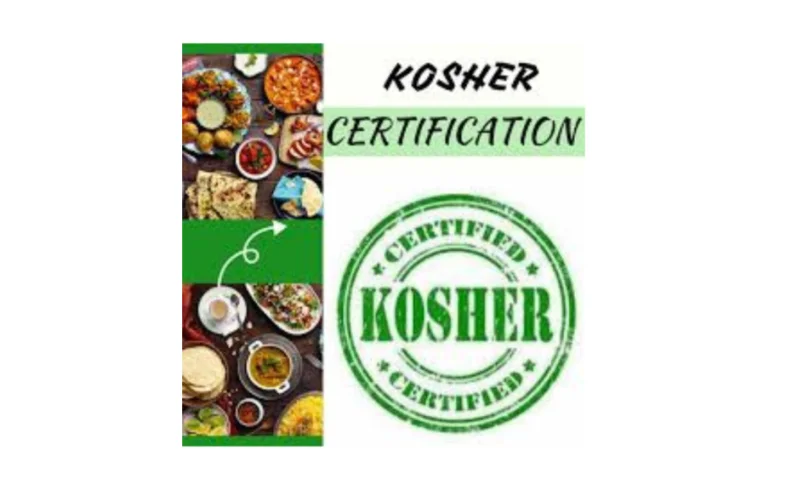
Products that meet kosher requirements are permitted to display an approved kosher symbol, helping consumers identify products that align with kosher dietary laws.
Today, kosher-certified products are consumed not only by Jewish communities but also by consumers seeking higher standards of quality, transparency, safety, and traceability.
Why Businesses Need Kosher Certification in Delhi
Delhi’s strategic location and strong manufacturing ecosystem make it a major center for exports. Businesses in sectors such as food processing, spices, nutraceuticals, pharmaceuticals, and hospitality can benefit significantly from kosher certification.
Key advantages include:
- Access to international export markets
- Increased trust among global buyers and distributors
- Enhanced brand reputation
- Improved quality assurance processes
- Better compliance with international customer requirements
- Greater acceptance in organized retail chains
- Competitive advantage in domestic and international markets
Many overseas importers and retailers prefer or require kosher-certified products before finalizing supply agreements.
Industries That Can Apply for Kosher Certification
A wide range of businesses in Delhi can obtain kosher certification, including:
- Food processing companies
- Spice manufacturers
- Beverage producers
- Dairy product manufacturers
- Bakery and confectionery businesses
- Edible oil manufacturers
- Pharmaceutical companies
- Nutraceutical manufacturers
- Herbal and Ayurvedic product companies
- Hotels and restaurants
- Catering services
- Packaging material suppliers
- Ingredient manufacturers
Kosher certification is particularly beneficial for export-oriented industries.
The Growing Demand for Kosher Products
Global demand for kosher-certified products continues to increase every year. Consumers often associate kosher products with stringent quality standards, transparency, and reliable manufacturing practices.
The growing popularity of kosher-certified products is driven by:
- Rising health awareness
- Demand for clean-label products
- Increasing preference for transparent supply chains
- Growth in international food trade
- Expanding multicultural consumer markets
Businesses in Delhi that obtain kosher certification can leverage these trends to strengthen their market position.
The Kosher Certification Process in Delhi
The certification process typically involves several important steps.
1. Initial Application
Businesses submit details regarding their products, ingredients, manufacturing units, and production methods.
2. Documentation Review
Certification experts review:
- Product formulations
- Ingredient specifications
- Supplier information
- Manufacturing flow charts
- Existing quality certifications
3. Facility Inspection
A qualified rabbinical representative visits the manufacturing facility to assess compliance with kosher requirements.
The inspection generally covers:
- Production lines
- Storage areas
- Cleaning procedures
- Equipment usage
- Cross-contamination controls
4. Corrective Actions
If any modifications are required, businesses are guided through the necessary improvements.
5. Certification Approval
Once all requirements are fulfilled, the kosher certificate is issued for approved products and manufacturing facilities.
6. Ongoing Monitoring
Regular audits and periodic inspections ensure continued compliance with kosher standards.
Documents Required for Kosher Certification in Delhi
To streamline the certification process, businesses should prepare the following documents:
- Company registration certificate
- Product list
- Ingredient specifications
- Supplier details
- Manufacturing process flow chart
- Plant layout
- Equipment information
- Packaging artwork
- Existing certifications such as ISO, HACCP, FSSAI, or GMP
Providing complete and accurate documentation helps reduce approval time.
How Long Does the Certification Process Take?
The time required to obtain Kosher Certification in Delhi depends on several factors, including the complexity of operations, the number of products, and the readiness of the facility.
In most cases, the process can be completed within two to four weeks, provided all required documents are submitted and no significant process modifications are necessary.
Businesses with multiple facilities or complex product lines may require additional time.
What Factors Influence Certification Costs?
The cost of kosher certification varies based on:
- Number of products
- Number of manufacturing locations
- Production complexity
- Type of ingredients used
- Inspection requirements
- Frequency of audits
- Export destinations
Each organization receives a customized quotation based on its specific requirements.
Why Choose Professional Kosher Consultants?
Experienced kosher consultants simplify the certification journey by providing:
- Expert guidance throughout the process
- Assistance with documentation
- Coordination with rabbinical authorities
- Audit preparation support
- Compliance monitoring
- Ongoing certification maintenance
Professional assistance helps businesses save time and avoid unnecessary delays.
Export Opportunities for Delhi Businesses
Delhi serves as a major export hub for products such as:
- Processed foods
- Spices and seasonings
- Herbal extracts
- Pharmaceuticals
- Nutraceuticals
- Ready-to-eat products
- Beverages
- Food ingredients
Kosher certification helps businesses access international markets where buyers prefer certified products.
By meeting kosher requirements, Delhi-based manufacturers can strengthen their export capabilities and build long-term relationships with global customers.
Conclusion
Obtaining Kosher Certification in Delhi is an effective way for businesses to improve product credibility, expand export opportunities, and meet the expectations of international buyers.
As global demand for certified products continues to grow, kosher certification provides a valuable competitive advantage across multiple industries.
Whether you are a food manufacturer, pharmaceutical company, exporter, or hospitality business, achieving kosher compliance can help you unlock new markets, strengthen consumer trust, and support sustainable business growth.