Loans for Solar Installation: A Complete Guide to Financing Your Solar System in 2026
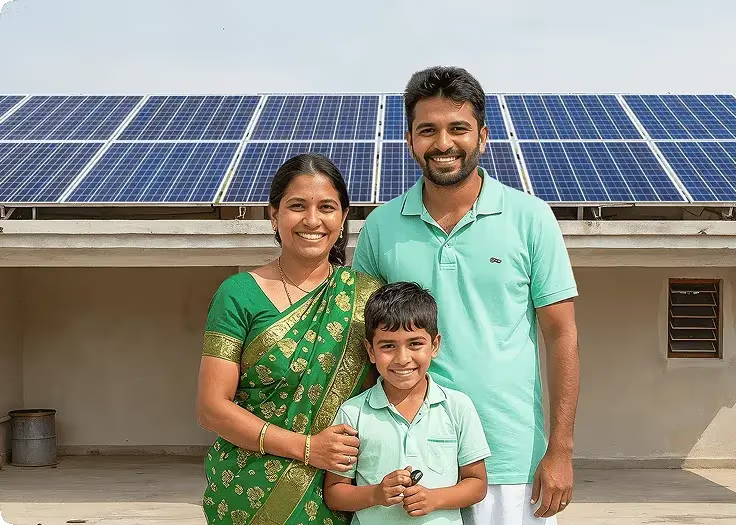
As electricity costs continue to rise, more homeowners and businesses are turning to solar energy as a long-term solution. While installing a solar system can significantly reduce electricity bills, the upfront investment may seem expensive. That’s where loans for solar installation become a practical financing option.
A solar loan allows you to install a solar power system without paying the full cost upfront. Instead, you can spread the expense over manageable monthly installments while enjoying the savings generated by solar energy.
In this guide, we’ll explain everything you need to know about solar installation loans, their benefits, eligibility, required documents, and how Ratnaafin can help make your transition to clean energy easier.
What Are Loans for Solar Installation?
Loans for solar installation are financial products specifically designed to help individuals, businesses, housing societies, and commercial establishments finance the purchase and installation of solar energy systems.
Instead of delaying your solar project due to budget constraints, a solar loan enables you to install the system immediately and repay the amount over a flexible tenure.
These loans can be used for:
- Residential rooftop solar systems
- Commercial solar installations
- Industrial solar power projects
- Agricultural solar systems
- Solar water pumps
- Institutional solar projects
Why More People Are Choosing Solar Energy
Solar energy has become one of the most cost-effective investments for homes and businesses. Besides reducing electricity expenses, it contributes to environmental sustainability and increases property value.
Some major benefits include:
- Lower monthly electricity bills
- Protection against rising power tariffs
- Clean and renewable energy
- Reduced carbon footprint
- Low maintenance costs
- Long operational lifespan
- Attractive government incentives (where applicable)
Why Choose Loans for Solar Installation?
Many people have the financial capacity to repay a loan over time but may not have enough savings for the complete installation cost upfront.
Solar financing offers several advantages:
Affordable Monthly Payments
Rather than making one large payment, borrowers can repay the loan through affordable EMIs.
Immediate Energy Savings
Your solar system starts generating electricity as soon as it’s installed, allowing you to begin saving on energy costs immediately.
Better Cash Flow
Businesses can preserve working capital while investing in renewable energy.
Flexible Loan Amounts
Loan amounts are typically based on project requirements, making financing suitable for both small residential systems and larger commercial installations.
Faster Return on Investment
Electricity savings often help offset a significant portion of the monthly loan repayment over time.
Who Can Apply?
Loans for solar installation are generally suitable for:
- Salaried individuals
- Self-employed professionals
- Business owners
- MSMEs
- Manufacturers
- Retail establishments
- Housing societies
- Farmers (depending on the financing program)
- Educational institutions
Documents Commonly Required
Although documentation requirements may vary, applicants are generally asked to provide:
- Identity proof
- Address proof
- PAN Card
- Aadhaar Card
- Income proof
- Bank statements
- Property details (if applicable)
- Solar installation quotation
- Business documents (for commercial applicants)
Factors That Affect Loan Approval
Lenders usually evaluate several factors before approving a solar loan:
- Credit history
- Income stability
- Loan repayment capacity
- Project feasibility
- Existing financial obligations
- Required loan amount
Maintaining a healthy credit profile can improve approval chances and may help secure better loan terms.
How Ratnaafin Helps with Solar Installation Financing
Ratnaafin understands that investing in renewable energy should be simple and affordable.
With customer-focused financing solutions, Ratnaafin supports eligible borrowers by offering financing options that help make solar installations more accessible. Whether you’re planning a residential rooftop project or a commercial solar installation, the financing process is designed to be straightforward and convenient.
Choosing the right financing partner can help you move to solar energy with greater confidence and less financial stress.
Tips Before Applying for a Solar Loan
Before submitting your application, consider the following:
- Compare installation quotes from reliable solar vendors.
- Calculate your expected electricity savings.
- Determine the appropriate system size.
- Understand your repayment capacity.
- Read all loan terms carefully.
- Keep all required documents ready.
- Check whether government subsidies or incentives are available in your region.
Is a Solar Installation Loan Worth It?
For many homeowners and businesses, the answer is yes.
Solar systems generate savings for years, while financing allows you to begin enjoying those savings without waiting to accumulate the full installation cost. When planned properly, a solar loan can be a financially sound investment that supports both long-term savings and environmental responsibility.
Final Thoughts
The growing demand for renewable energy has made loans for solar installation an increasingly popular financing solution. Instead of postponing your switch to clean energy, financing allows you to install a solar system today and pay over time.
If you’re planning to invest in solar power, Ratnaafin can help make the journey smoother with financing solutions designed to support your energy goals. By choosing the right loan and planning your installation carefully, you can reduce electricity expenses while contributing to a greener future.
FAQs
1. What are loans for solar installation?
Loans for solar installation are financing solutions that help individuals and businesses pay for solar systems through affordable monthly installments instead of making the entire payment upfront.
2. Who is eligible for a solar installation loan?
Eligibility generally depends on factors such as income, repayment capacity, credit history, and the lender’s policies. Salaried individuals, self-employed professionals, and businesses commonly qualify.
3. Can I get a loan for residential rooftop solar panels?
Yes. Many lenders provide financing for residential rooftop solar installations, making it easier for homeowners to switch to solar energy.
4. What documents are required for a solar loan?
Applicants typically need identity proof, address proof, PAN Card, Aadhaar Card, income documents, bank statements, and the solar installation quotation.
5. Does Ratnaafin offer financing for solar installation?
Yes. Ratnaafin provides financing solutions that help eligible customers invest in solar installations with convenient repayment options.
6. How much loan can I get for solar installation?
The approved loan amount generally depends on the cost of the solar project, your financial profile, repayment capacity, and the lender’s assessment.
7. Can businesses apply for loans for solar installation?
Yes. Commercial establishments, MSMEs, manufacturers, and other businesses can often apply for financing to install solar systems.
8. Will a solar loan help me save money?
Yes. Although you’ll repay the loan through EMIs, the reduction in electricity bills can help generate long-term savings, making solar a valuable investment.
9. Is collateral required for solar installation loans?
This depends on the loan amount, lender policies, and borrower profile. Some financing options may be unsecured, while others may require security.
10. Why should I choose Ratnaafin for solar financing?
Ratnaafin focuses on making solar financing accessible through customer-friendly solutions, helping eligible borrowers invest in clean energy with a simplified financing process.