Semi Automatic Snap Button Machine: Improving Speed and Accuracy in Garment Production
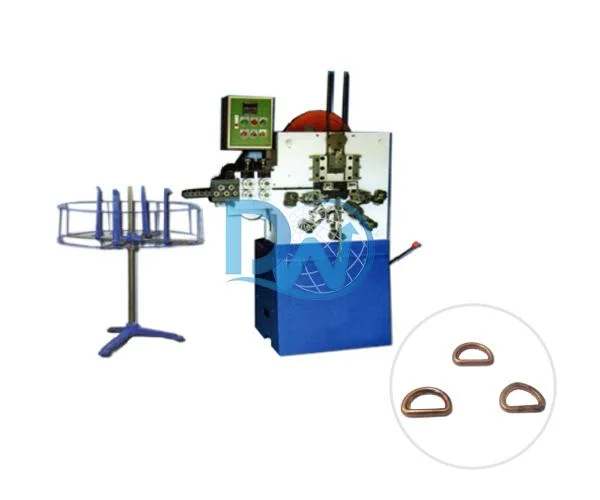
Snap button machine price India
The garment and accessories industry depends on efficient machinery to maintain consistent quality and complete bulk orders on time. A Semi Automatic Snap Button Machine is designed to attach snap buttons, press fasteners, rivets, eyelets, and similar components with greater speed and accuracy than manual tools.
This machine is commonly used by garment manufacturers, tailoring units, bag producers, footwear workshops, leather-product companies, and small production businesses. It combines operator control with powered pressing, making it a practical option for businesses that want improved productivity without investing in a fully automatic system.
What Is a Semi Automatic Snap Button Machine?
A semi automatic snap button machine is a fastening machine in which the operator places the garment and button components in position, while the machine performs the pressing or fixing action.
Depending on the model, it may be operated using a foot pedal, pneumatic system, motor, or mechanical pressing mechanism. The machine applies controlled pressure so that both parts of the snap button join securely.
Unlike fully manual tools, it reduces physical effort and helps maintain a more consistent fastening result. However, the operator is still responsible for placing the fabric, feeding button parts, and checking alignment.
How the Machine Works
Snap buttons generally consist of multiple parts, such as a cap, socket, stud, and post. The correct dies are fitted into the upper and lower sections of the machine according to the button type and size.
The operator places one button component in the lower die and positions the fabric correctly. The matching component is then placed on the opposite side. When the pedal or control is activated, the machine presses the parts together.
The pressure must be properly adjusted. Insufficient pressure may result in loose buttons, while excessive force can damage the snap, fabric, or decorative surface.
A correctly configured Semi Automatic Snap Button Machine helps create secure and neatly aligned fastenings across repeated production cycles.
Benefits for Garment Manufacturers
One of the main advantages of this machine is improved production speed. Manual snap-button fixing can be tiring and time-consuming, particularly when hundreds or thousands of garments need to be completed.
A semi automatic machine reduces the effort required for every pressing action. This allows operators to work more efficiently and complete larger quantities within a shorter period.
Consistency is another important benefit. Controlled pressure helps reduce problems such as loose buttons, tilted caps, damaged fasteners, and uneven fitting.
The machine can also reduce operator fatigue. Since the pressing action is powered or mechanically assisted, workers do not need to apply strong force repeatedly throughout the day.
Common Applications
A Semi Automatic Snap Button Machine can be used for various garment and accessory products. It is commonly used for denim jeans, jackets, shirts, children’s clothing, uniforms, raincoats, and sportswear.
Bag manufacturers may use it for handbags, backpacks, wallets, pouches, and travel accessories. It is also useful for leather belts, footwear, caps, tents, upholstery, folders, and promotional products.
With the correct dies and machine specifications, some models may also attach eyelets, rivets, hooks, decorative buttons, and other fastening components.
Users should confirm compatibility before changing from one fastener type to another.
Importance of Correct Dies
The die set plays an essential role in snap-button installation. Every button size and design may require a specific upper and lower die.
Using an incorrect die can scratch the button surface, crush decorative caps, create poor alignment, or prevent the snap from locking properly.
The die should hold the fastener securely while distributing pressure evenly. Manufacturers using different snap-button sizes may need multiple interchangeable die sets.
Before beginning bulk production, a few test pieces should be prepared. Testing helps confirm the die alignment, pressure, fabric position, and button strength.
Choosing the Right Machine
Buyers should evaluate their daily production volume, snap-button type, material thickness, button size, and available workspace before selecting a machine.
A pneumatic model may be suitable for businesses requiring fast and smooth operation, but it generally requires an air compressor. Motorised or mechanical models may be selected according to production requirements and available infrastructure.
The machine body should be strong and stable to reduce vibration during operation. Pressure adjustment, pedal control, safety features, die availability, maintenance requirements, and spare-part support should also be considered.
Businesses should choose a machine that can handle their regular workload without creating unnecessary complexity.
Operating Safety and Maintenance
Operators should receive proper training before using the machine. Fingers must be kept away from the pressing area, and safety guards should never be removed during operation.
The machine should be installed on a stable surface. Loose parts, unusual sounds, air leakage, or inconsistent pressure should be inspected promptly.
Regular cleaning helps prevent dust, fabric fibres, and metal particles from collecting around the dies and moving components. Lubrication should be carried out according to the manufacturer’s instructions.
Dies should also be cleaned and checked for wear. Damaged dies can affect both button appearance and fastening quality.
Frequently Asked Questions
1. What is a semi automatic snap button machine used for?
It is used for attaching snap buttons, press fasteners, rivets, eyelets, and compatible garment accessories.
2. Is it faster than a manual button machine?
Yes, it generally improves production speed because the pressing action requires less physical effort.
3. Does the operator need to place the button manually?
Yes, in most semi automatic machines, the operator positions the button parts and fabric before activating the press.
4. Can one machine attach different button sizes?
It may attach different sizes when compatible die sets and suitable machine adjustments are used.
5. Is an air compressor required?
A compressor is required for pneumatic models. Mechanical or motorised machines may operate differently.
6. Why does a snap button become loose after fixing?
Loose fitting may result from low pressure, incorrect dies, poor-quality buttons, wrong component pairing, or improper alignment.
7. Can the machine be used for leather products?
Yes, suitable models can be used for leather goods when the machine capacity, dies, fasteners, and material thickness are compatible.
Conclusion
A Semi Automatic Snap Button Machine offers a useful balance between manual control and powered productivity. It can help garment and accessory manufacturers improve fastening speed, reduce operator effort, and maintain consistent button placement.
By selecting the right machine, using accurate dies, testing pressure, training operators, and performing regular maintenance, businesses can achieve secure and professional snap-button fixing across a wide range of products.