Why Kosher Certification Matters for Indian Exporters: A Complete Guide to Global Market Access
Kosher certification
In today’s highly competitive global marketplace, businesses must meet strict quality, safety, and compliance requirements to expand internationally. Consumers, retailers, and importers increasingly seek products that adhere to globally recognized standards and certifications. One such certification that has gained significant importance across industries is Kosher Certification.
While Kosher certification is rooted in Jewish dietary laws, its value extends far beyond religious observance. Today, millions of consumers worldwide—including health-conscious buyers, vegetarians, individuals with dietary restrictions, and global retailers—choose Kosher-certified products because they associate them with quality, transparency, and reliable manufacturing practices.
For Indian manufacturers and exporters, obtaining Kosher Certification can open doors to international markets, enhance brand reputation, and create new business opportunities.
What Is Kosher Certification?
Kosher Certification is an independent verification process that confirms a product, ingredient, or manufacturing facility complies with Kashrut, the traditional Jewish dietary laws governing food preparation, processing, ingredients, and consumption.
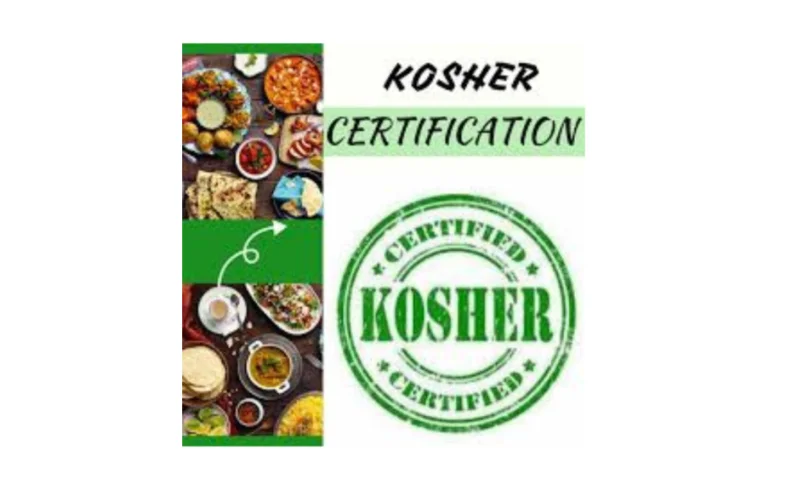
The word “Kosher” means “fit” or “proper” according to these dietary guidelines. Products that comply with these standards are authorized to display an approved Kosher symbol on their packaging, indicating that they meet specific religious and quality requirements.
Kosher certification is not limited to food products. It applies to a wide range of industries, including pharmaceuticals, nutraceuticals, chemicals, personal care products, and food ingredients.
The Global Demand for Kosher-Certified Products
The demand for Kosher-certified products has grown significantly over the last few decades. While the global Jewish population remains a primary consumer group, a large percentage of Kosher product buyers are non-Jewish consumers who view the certification as an indicator of quality and safety.
Several factors contribute to this growing demand:
- Increased awareness of food safety and transparency
- Rising preference for certified products
- Growing international trade opportunities
- Demand from retailers and distributors
- Consumer interest in clean-label products
- Stringent import requirements in global markets
Many supermarkets, food chains, and international brands actively seek Kosher-certified suppliers to meet customer expectations and expand their product offerings.
Why Kosher Certification Is Important for Indian Businesses
India is a major exporter of food products, spices, pharmaceuticals, chemicals, nutraceuticals, and agricultural commodities. International buyers often require suppliers to obtain specific certifications before approving products for import.
Kosher Certification offers Indian businesses several important advantages:
Access to International Markets
Kosher-certified products are widely accepted in countries such as:
- United States
- Israel
- Canada
- United Kingdom
- European Union countries
- Australia
Many importers and distributors prefer working with certified suppliers because it simplifies procurement processes and ensures compliance with customer expectations.
Enhanced Brand Credibility
Kosher certification demonstrates a commitment to quality, transparency, and responsible manufacturing practices. It enhances consumer confidence and strengthens brand reputation in both domestic and international markets.
Competitive Advantage
In highly competitive industries, certifications can help businesses differentiate themselves from competitors and secure long-term relationships with buyers.
Improved Quality Control
The certification process encourages manufacturers to strengthen their quality management systems, improve ingredient traceability, and maintain consistent production standards.
Greater Consumer Trust
Consumers increasingly seek products that provide assurance regarding ingredients, manufacturing methods, and safety standards. Kosher certification helps meet these expectations.
Industries That Benefit from Kosher Certification
Kosher Certification is applicable across multiple industries.
Common sectors include:
- Food and Beverage Manufacturing
- Spices and Seasonings
- Dairy Products
- Bakery and Confectionery
- Edible Oils
- Nutraceuticals and Supplements
- Pharmaceutical Companies
- Chemical Manufacturers
- Flavors and Fragrances
- Food Ingredient Suppliers
- Herbal Extract Manufacturers
- Packaging Material Suppliers
Whether a business manufactures finished products or supplies raw materials, Kosher certification can improve market access and customer confidence.
Types of Products Eligible for Kosher Certification
A wide range of products can qualify for Kosher certification, provided they comply with applicable standards.
Examples include:
- Processed Foods
- Frozen Foods
- Beverages
- Tea and Coffee
- Spices and Herbs
- Chocolates and Confectionery
- Food Additives
- Nutritional Supplements
- Pharmaceutical Ingredients
- Personal Care Products
- Cleaning Chemicals
- Industrial Ingredients
Eligibility depends on factors such as ingredient sourcing, manufacturing processes, equipment usage, storage conditions, and packaging methods.
Understanding the Kosher Certification Process
Obtaining Kosher Certification involves a systematic evaluation of ingredients, processes, and facilities.
Step 1: Initial Application
The business submits an application containing information about products, ingredients, manufacturing facilities, and production processes.
Step 2: Documentation Review
Certification specialists review:
- Ingredient lists
- Supplier details
- Product formulations
- Process flow diagrams
- Existing certifications
- Manufacturing procedures
This review helps identify any ingredients or processes that may require modifications.
Step 3: Facility Inspection
A qualified Kosher auditor conducts an on-site inspection to evaluate:
- Production lines
- Storage facilities
- Cleaning procedures
- Equipment usage
- Cross-contamination controls
- Labeling practices
The inspection ensures that manufacturing operations comply with Kosher requirements.
Step 4: Compliance Assessment
Inspection findings are evaluated to determine whether the facility meets all applicable standards. Corrective actions may be recommended if necessary.
Step 5: Certification Approval
Once compliance is confirmed, the business receives a Kosher certificate and authorization to use the approved Kosher symbol on eligible products.
Step 6: Ongoing Monitoring
Kosher certification is not a one-time process. Businesses must undergo periodic reviews and inspections to maintain certification status.
Documents Required for Kosher Certification
To begin the certification process, businesses typically need to provide:
- Company registration documents
- Product lists
- Complete ingredient information
- Supplier declarations
- Manufacturing process flowcharts
- Facility layout plans
- Product labels and packaging details
- Existing quality certifications
Providing accurate documentation can help reduce processing time and ensure a smooth certification experience.
Factors Affecting Kosher Certification Costs
The cost of obtaining Kosher Certification varies depending on several factors, including:
- Number of products
- Complexity of manufacturing processes
- Number of production facilities
- Type of ingredients used
- Audit requirements
- Geographic location
Businesses should consult with certification experts to obtain a customized estimate based on their specific requirements.
How Long Does the Certification Process Take?
The timeline for Kosher Certification depends on product complexity and documentation readiness. In most cases, the process can be completed within a few weeks when all required information is provided accurately.
Businesses that maintain organized documentation and clear manufacturing processes often experience faster approvals.
Choosing the Right Kosher Certification Partner
Selecting an experienced certification provider is essential for ensuring a smooth and efficient process.
A reliable certification partner can help businesses:
- Understand Kosher requirements
- Prepare necessary documentation
- Coordinate facility inspections
- Address compliance concerns
- Maintain ongoing certification
Professional guidance can simplify the certification process and help organizations achieve faster market readiness.
Conclusion
Kosher Certification has become an important business tool for manufacturers and exporters seeking to strengthen their global presence. Beyond meeting religious dietary requirements, the certification serves as a symbol of quality, transparency, and manufacturing excellence.
For Indian businesses operating in food processing, pharmaceuticals, chemicals, nutraceuticals, and related industries, Kosher Certification offers a valuable opportunity to access new markets, build customer trust, and gain a competitive advantage.
As global demand for certified products continues to grow, investing in Kosher Certification can help businesses improve export potential, enhance brand credibility, and support long-term business growth.