Kosher Certification in India: A Complete Guide for Manufacturers, Exporters and Food Brands
kosher certification services know the process cost and full guide about the kosher certification
India’s food industry is growing fast, and so is the demand for products that meet international dietary and quality standards. Kosher certification is now one of the most valued credentials for Indian manufacturers who want to reach global buyers. Whether you make snacks, spices, dairy products, beverages or ingredients, a kosher mark can open doors to the USA, Europe, Israel and the Middle East.
This guide explains what kosher certification is, why it matters for Indian businesses, how the process works, and how to choose the right partner.
What Is Kosher Certification?
Kosher refers to food that complies with Jewish dietary laws. A Kosher certificate is issued after an expert inspection confirms that your ingredients, equipment, production process and facility meet those requirements. It is a third-party assurance of purity, transparency and traceability.
Many people assume kosher is only for Jewish consumers. In reality, a large share of kosher buyers are vegetarians, vegans, people with lactose or allergen concerns, and shoppers who simply trust the extra layer of scrutiny. This is why Kosher certified products are growing in popularity across mainstream supermarkets worldwide.
Why Kosher Certification Matters for Indian Businesses
- Global market access. Many importers, distributors and retail chains abroad require a kosher mark before they will list a product.
- Stronger buyer trust. The certificate shows that your sourcing and production are documented and audited.
- Premium positioning. Certified products often stand out on shelves and in online catalogues.
- Wider customer base. You reach religious consumers as well as health-conscious and allergen-aware buyers.
- Better quality control. Preparing for certification usually improves your internal processes, ingredient records and hygiene practices.
For exporters in particular, Kosher Certification India has become a practical step toward winning bigger and more reliable international orders.
How the Kosher Certification Process Works
The process is simpler than most manufacturers expect.
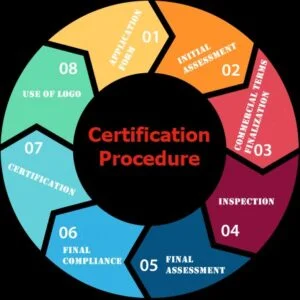
Step 1: Application and product details. You share your product list, ingredients, suppliers and manufacturing process.
Step 2: Document review. The certifying body checks every ingredient, additive, flavour, processing aid and cleaning agent for kosher status.
Step 3: Facility inspection. An inspector visits your plant, reviews equipment, production lines and storage, and confirms that kosher integrity can be maintained.
Step 4: Corrections, if needed. If anything needs to change, such as replacing an ingredient or separating equipment, you receive clear guidance.
Step 5: Certificate issuance. Once everything is approved, you receive your certificate and permission to use the kosher symbol on approved products.
Step 6: Ongoing supervision and renewal. Certification is valid for a set period, with periodic checks and annual renewal.
Who Can Apply?
Almost any food or food-related business can pursue certification, including:
- Dairy producers, bakeries and confectionery makers
- Spice, masala and condiment exporters
- Beverage, juice and ready-mix manufacturers
- Ingredient, flavour and additive suppliers
- Private label and contract manufacturers
- Restaurants, caterers and food service operators
- Startups and D2C food brands
If you work in dairy, a Kosher certificate for dairy products is especially valuable, because dairy has some of the strictest kosher rules and buyers look for clear, verified compliance.
Choosing the Right Certification Partner
The agency you choose affects how quickly you are certified and how widely your certificate is accepted. Look for these qualities:
- Global recognition. A Globally Acceptable Kosher Certificate is accepted by importers and retailers in multiple countries, so you don’t have to certify again for each market.
- Transparent communication. You should know the steps, timelines and documents required from the start.
- Experienced inspectors. Auditors who understand Indian manufacturing conditions make the process smoother.
- Responsive support. Quick answers on ingredient approvals can save weeks.
- Clear pricing. Hidden fees and vague quotations are a red flag.
If you are comparing providers, a dedicated Kosher certification services india provider can handle everything from documentation to inspection and renewal under one roof. A trusted Kosher certification agency in india will also guide you on ingredient substitutions and compliance gaps before the audit.
Is Kosher Certification Affordable?
Many small and mid-sized businesses worry about cost. The fee depends on factors such as the number of products, the complexity of ingredients, the size of the facility and the frequency of inspections. Good agencies keep pricing fair and explain what each fee covers.
Looking for Kosher india services at affordable rates is sensible, but compare value as well as price. Check what is included, how long the certificate is valid and how widely it is accepted. Many businesses recover the cost quickly through new export orders and stronger buyer confidence. Some providers even offer packages for startups so that Kosher certified at lowest cost becomes realistic without compromising on credibility.
Preparing Your Business for a Smooth Audit
A little preparation saves time and money.
- Keep an updated list of all ingredients, additives and suppliers.
- Collect supplier kosher certificates where available.
- Label storage areas clearly and avoid cross-contamination.
- Train staff on basic kosher handling rules.
- Maintain clean, well-documented production and cleaning records.
- Ask the agency about any ingredient you are unsure of before you buy it.
Common Mistakes to Avoid
- Assuming vegetarian means kosher. A vegetarian product can still contain non-kosher ingredients or be made on non-kosher equipment.
- Ignoring flavours and processing aids. Small ingredients often cause the biggest compliance problems.
- Changing suppliers without approval. Any ingredient change should be cleared with your certifier first.
- Missing the renewal date. A lapsed certificate can delay shipments and damage buyer relationships.
The Business Benefits of Getting Certified
Companies that invest in kosher compliance often see:
- Easier entry into international retail and food service channels
- Faster onboarding with overseas buyers
- Stronger brand reputation for quality and safety
- Greater confidence from private label partners and distributors
- A competitive edge over uncertified competitors
Frequently Asked Questions
How long does certification take?
Most businesses complete the process within a few weeks, depending on how quickly documents are submitted and whether any changes are needed.
Do I need to certify every product?
You certify the products you want to label as kosher. Many manufacturers start with their key export items and add more later.
Is the certificate accepted internationally?
That depends on the agency. Choose one with wide global recognition so your products are accepted in multiple markets.
Does it help domestic sales too?
Yes. Hotels, caterers, airlines, health-focused retailers and quality-conscious shoppers in India increasingly look for a trusted kosher mark.
Final Thoughts
Kosher certification is more than a label. It is a business tool that builds trust, supports exports and shows your commitment to quality. If you want to expand globally or simply strengthen your brand, understanding the process and choosing the right partner is the best place to start. With the right preparation and a reliable certifier, getting certified is straightforward, affordable and well worth the effort.