How Risk Management Is Evolving Through Technology, Governance, and Strategic Auditing
Audit Reimagined
n today’s interconnected business environment, organizations face a growing number of uncertainties that can impact operations, profitability, compliance, and reputation. From cyberattacks and regulatory changes to economic fluctuations and technological disruption, modern enterprises must be prepared to identify and manage risks effectively. As a result, Risk Management has become one of the most important strategic functions within organizations worldwide.
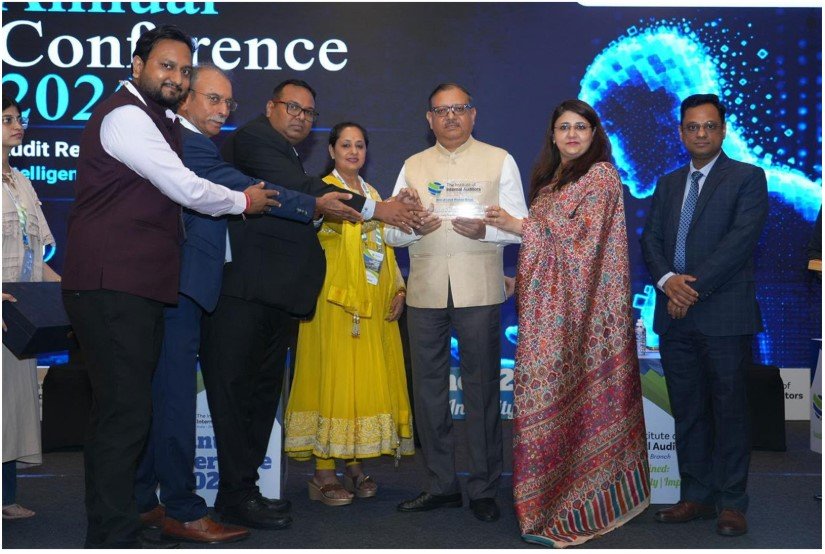
The growing importance of risk management was highlighted during a major industry conference focused on the future of governance, intelligence, and trust. Bringing together internal auditors, governance experts, risk professionals, technology leaders, and senior executives, the event provided valuable insights into how organizations can strengthen resilience and navigate an increasingly complex business landscape.
Held on 19–20 June 2026 in New Delhi, the conference explored the evolving relationship between governance, technology, compliance, and risk oversight, offering practical guidance for organizations seeking to prepare for future challenges.
Why Risk Management Matters More Than Ever
Organizations today operate in a rapidly changing environment where risks emerge faster than traditional management processes can often respond.
Modern businesses face challenges such as:
- Cybersecurity threats
- Data privacy concerns
- Regulatory compliance requirements
- Supply chain disruptions
- Economic uncertainty
- Fraud and financial misconduct
- Technological change
- Reputational risks
Effective Risk Management helps organizations identify potential threats before they escalate into significant business problems. It supports informed decision-making and contributes to long-term organizational success.
The Changing Nature of Business Risk
The conference emphasized that risks are no longer limited to financial or operational concerns. Today’s organizations must evaluate a much broader risk landscape.
Digital Risks
As companies become increasingly dependent on technology, digital risks have become a major concern. Businesses must protect critical systems, customer data, and operational infrastructure from cyber threats.
Strategic Risks
Organizations face uncertainty related to market changes, competition, geopolitical developments, and evolving customer expectations.
Regulatory Risks
Governments and regulatory authorities continue to introduce new compliance requirements that organizations must understand and address.
ESG Risks
Environmental, Social, and Governance (ESG) considerations are increasingly influencing investment decisions, stakeholder expectations, and corporate accountability.
Managing these interconnected risks requires a comprehensive and proactive approach.
Technology Is Transforming Risk Management
Technology was one of the most important topics discussed during the conference.
Artificial Intelligence
Artificial Intelligence is helping organizations improve risk identification and monitoring. AI-powered tools can process large amounts of information and identify unusual patterns that may indicate emerging threats.
Advanced Analytics
Data analytics provides organizations with deeper visibility into operations and allows decision-makers to identify trends that could affect business performance.
Automation
Automation enables organizations to streamline risk assessment processes and improve efficiency while reducing manual workloads.
Continuous Monitoring
Modern monitoring systems provide real-time insights into risk indicators, helping organizations respond more quickly to changing conditions.
These technologies are helping transform traditional risk management practices into more intelligent and proactive systems.
Governance and Risk Management
Strong governance plays a critical role in effective Risk Management.
Organizations with well-defined governance structures are better equipped to:
- Establish accountability
- Improve decision-making
- Monitor risks effectively
- Ensure compliance
- Promote ethical conduct
- Build stakeholder trust
Conference discussions highlighted the importance of integrating governance and risk management into overall business strategy rather than treating them as separate functions.
Cybersecurity as a Business Priority
Cybersecurity remains one of the most significant risk categories facing organizations today.
The conference featured extensive discussions on:
- Cyber risk governance
- Information security controls
- Data protection strategies
- Third-party vendor risks
- Cloud security management
- Incident response planning
Experts emphasized that cybersecurity is not solely an IT responsibility. It requires involvement from leadership, governance teams, auditors, and risk professionals to ensure comprehensive protection.
Building Organizational Resilience
One of the key objectives of modern Risk Management is organizational resilience.
Resilient organizations are better prepared to:
- Respond to unexpected disruptions
- Recover from crises
- Maintain business continuity
- Protect stakeholder interests
- Adapt to changing market conditions
Conference speakers stressed the importance of proactive planning and continuous improvement in strengthening resilience.
The Future Skills Required for Risk Professionals
As risk management continues to evolve, professionals must develop new competencies.
Important future skills include:
- Data Analytics
- Artificial Intelligence awareness
- Cybersecurity knowledge
- Strategic thinking
- Regulatory expertise
- Governance understanding
- Communication and leadership capabilities
Organizations that invest in professional development will be better positioned to address emerging risks effectively.
Benefits of Strong Risk Management Practices
Organizations that prioritize risk management gain several important advantages:
- Better decision-making
- Improved governance
- Enhanced compliance
- Stronger cybersecurity
- Reduced operational disruptions
- Increased stakeholder confidence
- Greater business resilience
These benefits contribute directly to long-term growth and sustainability.
Conclusion
The business world continues to become more complex, making Risk Management an essential component of organizational success. Modern risk management extends beyond traditional controls and compliance activities to encompass technology, governance, cybersecurity, and strategic decision-making.
The insights shared during the conference demonstrated that organizations must embrace innovation, strengthen governance frameworks, and adopt proactive risk management strategies to remain competitive. By leveraging technology, enhancing oversight, and investing in professional development, businesses can build resilience and confidently navigate future challenges.
As risks continue to evolve, effective Risk Management will remain one of the most powerful tools for protecting value, maintaining trust, and supporting sustainable organizational growth.