Corporate Events Management: Creating Professional and Memorable Business Experiences
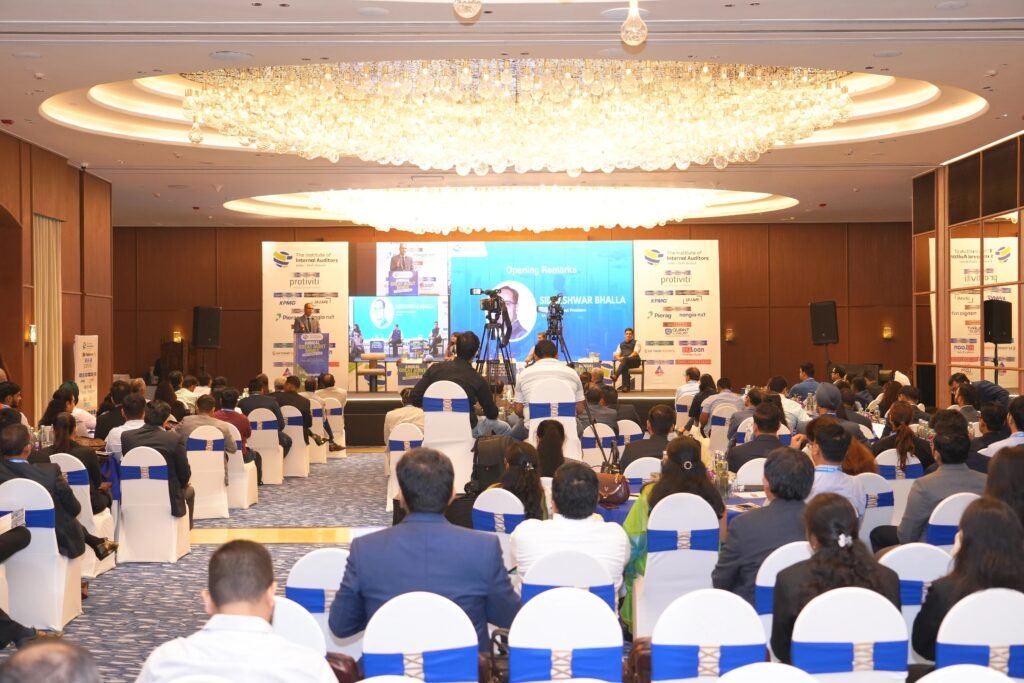
Corporate events management
Corporate events management is an important part of modern business planning. Whether a company is organizing a conference, seminar, product launch, annual meeting, award ceremony, team-building event, or business networking program, proper event management helps create a smooth and professional experience. A well-planned corporate event not only brings people together but also reflects the company’s image, values, and professionalism.
In today’s competitive business world, companies use corporate events to connect with clients, motivate employees, promote products, build partnerships, and strengthen brand visibility. However, managing a corporate event requires more than booking a venue and arranging food. It involves planning, coordination, creativity, budgeting, branding, technology, guest management, and flawless execution.
What is Corporate Events Management?
Corporate events management is the process of planning, organizing, and executing business-related events for companies, brands, and organizations. It includes everything from event concept creation to final execution. The goal is to deliver an organized, engaging, and meaningful experience for attendees.
Corporate events can be small internal meetings or large-scale business gatherings. Each event has a different purpose, audience, and requirement. A professional event management approach ensures that every detail is handled properly, including venue selection, stage setup, decoration, audio-visual arrangements, registration, hospitality, entertainment, photography, and post-event coordination.
Importance of Corporate Events Management
Corporate events play a major role in business communication and brand building. A well-managed event helps companies present themselves in a professional way. It creates a positive impression on clients, employees, investors, and business partners.
Corporate events are also useful for sharing important information, launching new products, celebrating achievements, and improving team relationships. When an event is planned carefully, it can improve engagement and make the audience feel connected with the brand.
Good event management also saves time and reduces stress for the company. Instead of handling multiple vendors, arrangements, and last-minute issues, businesses can focus on their main goals while the event team manages the execution.
Key Elements of Corporate Events Management
The first important element is planning. Every successful event starts with a clear plan. This includes deciding the event objective, budget, audience, date, venue, theme, and schedule. Proper planning helps avoid confusion and ensures that everything moves in the right direction.
The second element is venue selection. The venue should match the purpose, size, and style of the event. It should be easily accessible and suitable for guests, speakers, and technical arrangements.
The third element is branding and design. Corporate events should reflect the company’s identity. This can be done through banners, stage backdrops, digital screens, invitation designs, welcome boards, branded gifts, and theme-based decoration.
Another important part is audio-visual setup. Clear sound, proper lighting, LED screens, microphones, presentations, and technical support are essential for conferences, seminars, and product launches.
Guest management is also very important. From invitations and registrations to seating arrangements and hospitality, every guest should feel comfortable and valued. A smooth guest experience improves the overall impact of the event.
Types of Corporate Events
Corporate events can be organized for different business purposes. Conferences and seminars are used to share knowledge, discuss industry topics, and connect with professionals. Product launches help companies introduce new products or services to the market in an impactful way.
Award ceremonies and annual functions are organized to celebrate achievements and appreciate employees or partners. Team-building events help improve employee bonding, communication, and motivation. Business networking events help companies create new connections and opportunities.
Exhibitions, trade shows, dealer meets, press conferences, and corporate parties are also common types of corporate events. Each type requires a different planning style and execution strategy.
Benefits of Professional Corporate Events Management
Professional corporate events management helps create a polished and organized experience. It ensures that all arrangements are handled on time and according to the event objective. A professional team understands how to manage vendors, guests, technical setups, branding, and unexpected challenges.
It also helps improve audience engagement. Creative concepts, smooth flow, attractive design, and proper coordination make the event more memorable. A professionally managed event can also increase brand trust and business credibility.
Another benefit is better time and cost management. With proper planning, businesses can avoid unnecessary expenses and last-minute problems. Event managers can also suggest better options based on the budget and event goals.
FAQs
What is corporate events management?
Corporate events management is the planning, organizing, and execution of business events such as conferences, seminars, product launches, meetings, award functions, and corporate gatherings.
Why is corporate event management important?
It is important because it helps companies create professional experiences, improve brand image, engage audiences, and manage all event arrangements smoothly.
What are the main types of corporate events?
The main types include conferences, seminars, product launches, annual meetings, award ceremonies, team-building events, dealer meets, exhibitions, and networking events.
What should be included in corporate event planning?
Corporate event planning should include budgeting, venue selection, branding, decoration, audio-visual setup, guest management, hospitality, event flow, and vendor coordination.
How can a corporate event improve brand image?
A well-organized event reflects professionalism, creativity, and attention to detail. It helps the audience build trust and creates a strong impression of the company.
Conclusion
Corporate events management is an essential service for businesses that want to organize professional, impactful, and memorable events. From planning and branding to execution and guest experience, every detail plays an important role in the success of a corporate event. With the right strategy and coordination, corporate events can help companies build stronger relationships, promote their brand, motivate teams, and achieve business goals.