Scratches, Scrapes and Squeaks: Choosing Dining Chairs That Are Kind to Marble, Tile and Wooden Floors
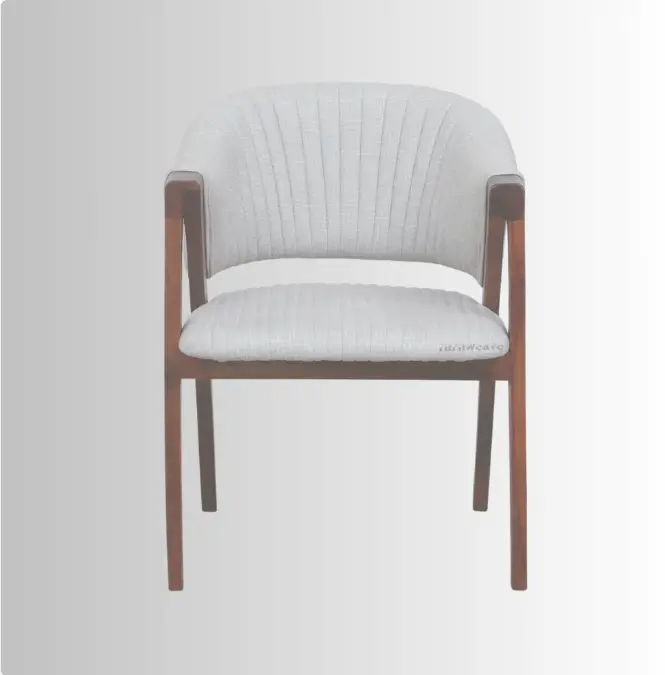
Smooth leg bases and quality felt pads keep dining chairs kind to marble, tile, and wooden floors.
Dining chairs are among the most moved pieces of furniture in a home. Every meal, they are pulled out, pushed in, turned, and dragged a few centimetres to make room for a guest. Over a year, that adds up to thousands of small movements across the same patch of floor.
If the floor is polished marble, glossy tile, or a freshly finished wooden surface, the damage can show quickly: pale scratches, dull patches, and that unmistakable scraping noise. The good news is that the right chairs, the right leg bases, and a few small habits protect both the floor and your peace of mind. This guide explains how to choose and fit dining chairs for different floor types.
Why Chair Legs Damage Floors
Several things cause scratching and noise:
- Hard or rough leg bases: Bare timber, metal, or rough ends can scratch polished surfaces.
- Trapped grit: Tiny particles of sand and dust under the legs act like sandpaper.
- Weight on a small area: The full weight of a person on four small contact points creates high pressure.
- Dragging instead of lifting: Sliding chairs across the floor is the most common cause of marks.
- Worn or missing pads: Once protectors wear away, the bare leg touches the floor.
Matching Chairs to Your Floor Type
Polished marble and granite
These surfaces are beautiful but unforgiving. Fine scratches show clearly in bright light, and marble can also be marked by acidic spills. Choose chairs with smooth, wide leg bases and fit soft, high-quality felt pads. Check pads regularly for embedded grit.
Glazed and vitrified tiles
These are tougher than marble but can still be scratched or chipped, especially at grout lines. Felt or soft plastic glides work well. Avoid hard plastic caps with rough edges.
Hardwood and engineered wood
Wood floors scratch easily, particularly with hard chair legs. Felt pads are the standard solution, and rugs under the dining area add extra protection.
Laminate floors
Laminate surfaces can show scratches and fine marks. Use soft pads and avoid dragging chairs.
Carpet and rugs
Carpet is gentler on floors but can make chairs harder to move and may snag on rough leg bases. Wide, smooth feet and low-pile rugs work well.
Uneven or textured floors
Chairs may wobble on uneven stone or textured tile. Adjustable glides can level the chair and prevent rocking.
Leg Base Options
| Base type | Floor-friendliness | Notes |
|---|---|---|
| Felt pads | Very good on hard floors | Need regular replacement and checking for grit |
| Soft plastic or silicone glides | Good, and quiet | Choose quality ones that do not leave marks |
| Rubber tips | Good grip, but may mark some floors | Check the material, since some rubber can stain pale floors |
| Metal glides | Hard-wearing but can scratch | Better with a soft coating |
| Wide, flat timber feet | Spread the weight | Should be smooth and sealed |
| Castors | Easy to move, but not for every floor | Use only soft-wheel types designed for hard floors |
The Role of Chair Design
Wooden chairs
A Dining Chairs Wooden Set of 4 is the classic choice for family dining. Well-made wooden chairs with smooth, sealed leg bottoms and properly fitted pads are kind to floors and sturdy in use. Ask your maker whether the leg bases are sanded flat and sealed, since rough bases are a common cause of scratches.
Upholstered chairs
An Upholstered Dining Chair often has a slightly heavier frame and a more comfortable seat, which people tend to sit on for longer. The principle is the same: smooth bases with quality protectors. Upholstered chairs may also shift as people lean back, so stable legs and non-slip pads matter.
Rattan and cane chairs
A Rattan Dining Chair is usually lighter, which makes it easier to lift rather than drag, but the legs still need protecting.
Step-by-Step: Protecting Your Floor
- Choose the right pads or glides for your floor type, and fit them as soon as the chairs arrive.
- Clean the pads and leg bases regularly, and remove any grit trapped in the felt.
- Replace worn pads every few months, depending on use.
- Lift chairs when moving them, rather than dragging.
- Use a rug under the dining table, large enough that the chairs stay on it even when pulled out.
- Sweep or vacuum the dining area often, to remove grit.
- Avoid using damp mops around chair legs, especially on wooden chairs.
Choosing and Fitting Felt Pads
- Pick thick, high-density felt pads rather than thin, cheap ones.
- Choose pads that match the shape and size of your leg bases.
- Prefer screw-in or nail-in pads for heavy use, and adhesive ones for lighter use.
- Check that adhesive pads stay attached, since peeling pads can leave sticky residue on legs.
- Inspect regularly, because worn pads protect nothing.
Reducing Noise
Scraping and squeaking are not just annoying. They are signs of friction and wear.
- Quality pads reduce noise as well as scratches.
- A rug dampens sound and cushions the floor.
- Tighten loose joints and screws, since loose chairs creak.
- Lightly wax or lubricate squeaky joints, as advised by your maker.
- Choose chairs with a stable, balanced design.
Sets, Rounds and Special Tables
Many households buy a set of four chairs to go with a round or small table, and you may even search for products like a Ghumav Wooden Round Dining Table Set 4 Seater. Round tables encourage people to rotate and shift chairs more often, so floor protection matters even more there. Place a rug under the table, fit good pads, and choose chairs with smooth bases.
Buying with Floors in Mind
When you shop, ask the maker or seller:
- How are the leg bottoms finished, and are they sanded and sealed?
- Are pads or glides included, and what type?
- Which floor types are the chairs suitable for?
- Can you recommend suitable pads for marble, tile, or wood?
- Can the legs be fitted with adjustable glides?
- What does the warranty cover?
A dependable Dining Chair Manufacturer will answer these questions openly and may offer protective options at the time of purchase. If you are furnishing a larger project, such as a restaurant or guest house, an experienced Dining Chair Supplier or Dining Chair Wholesale Supplier can advise on floor protection across all your chairs, which saves money on floor repairs later.
Choosing Materials with Care
Handcrafted and solid timber chairs tend to be heavier, which is good for stability but means a firm lift when moving them. A Teak Wood Dining Chair or a Handcrafted Wooden Dining Chair with smooth, sealed leg bases and well-fitted pads will serve a polished floor kindly for years.
A Quick Floor-Protection Checklist
- Pads or glides suited to your floor type
- Leg bases smooth, flat, and sealed
- Pads checked and replaced regularly
- Rug placed under the dining area
- Chairs lifted rather than dragged
- Floor swept to remove grit
- Loose joints tightened early
Final Thoughts
A dining chair and a floor spend years in close contact, so it is worth making that relationship a gentle one. Choose chairs with smooth bases, fit good pads from day one, and keep a simple routine of checking and cleaning. A few minutes of care can save a polished floor from a lifetime of scratches, and it keeps the dining room quiet, comfortable, and beautiful.